 Image 1 of 5
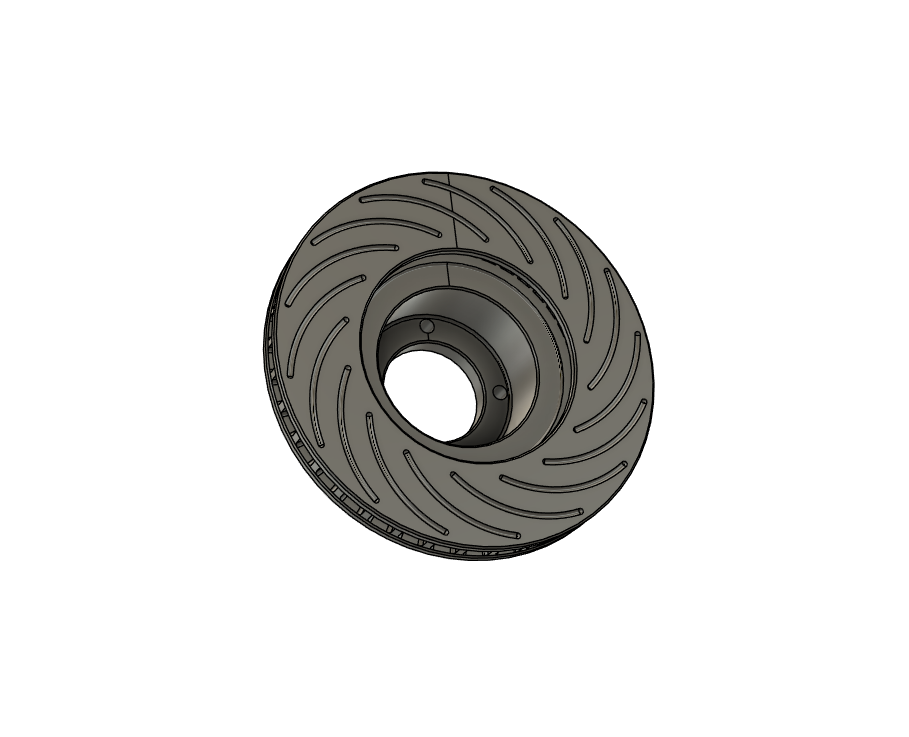 Image 2 of 5
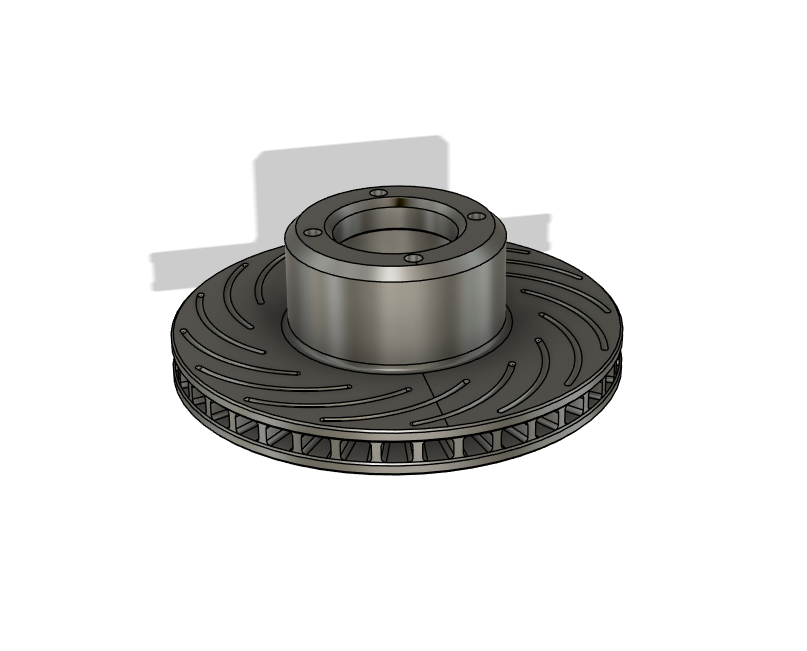 Image 3 of 5
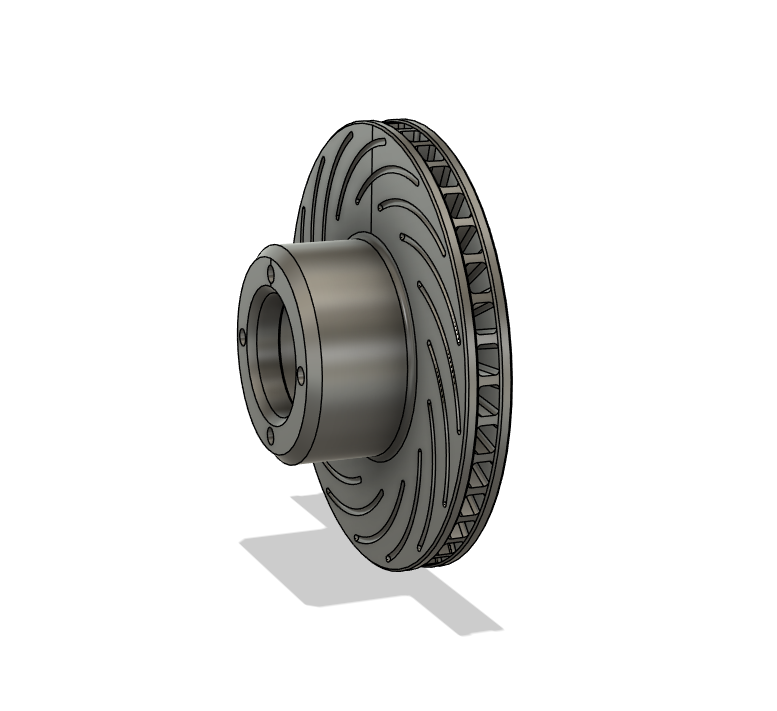 Image 4 of 5
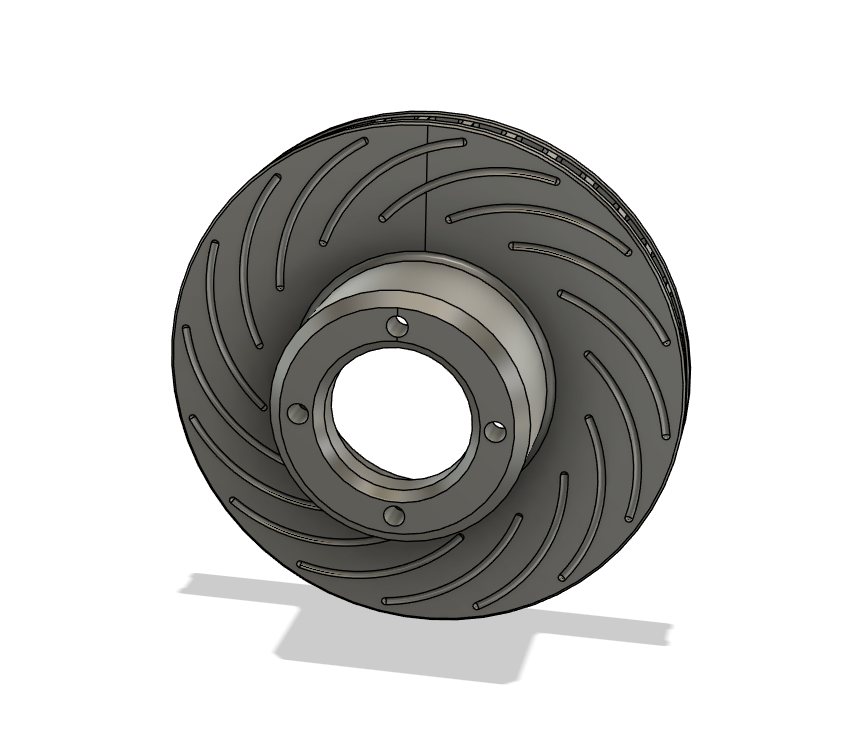 Image 5 of 5
Contributor: Luke Hornung
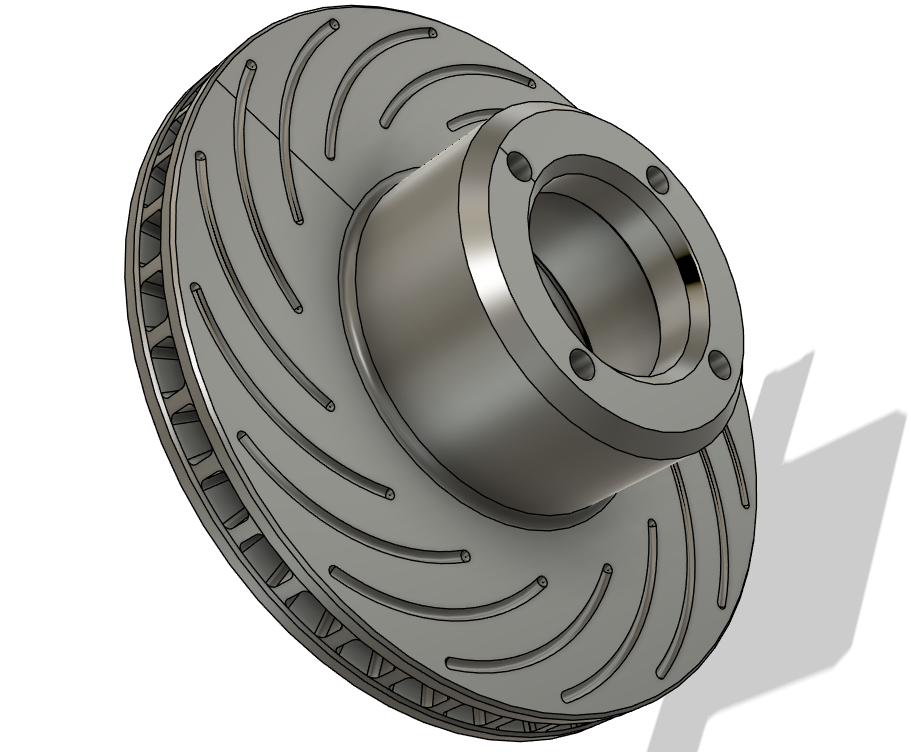
This listing provides a CAD model of a Mini Sport 7.9" vented brake disc, commonly used in performance-oriented classic Mini brake setups. The model captures key geometry and mounting interfaces, making it ideal for brake system development, fitment validation, and reverse engineering applications.
Designed for compact applications, this vented disc offers improved heat dissipation over solid alternatives, making it a popular choice for upgraded Mini braking systems.
The file is provided in STEP format, offering clean, usable geometry suitable for integration into assemblies and CAD-based design workflows.
Compatibility
Suitable for use with classic Mini platforms (Austin, Morris, Rover) configured for 7.9" vented disc brake setups (please verify compatibility with your specific hubs, calipers, and brake configuration).
Common Applications
Brake system design and upgrade planning
Caliper and bracket fitment validation
Hub and wheel clearance studies
Reverse engineering for replacement or performance parts
3D visualization and simulation
Common Vehicle Applications (Real-World Use)
Classic Mini (road and performance builds)
Track and hillclimb Mini applications
Custom compact builds requiring small-diameter brake packages
File Contents
CAD model (STEP format)
File Suitability
Ideal for CAD-based workflows including packaging, integration, and engineering development.
Important Notes
CAD model represents external and functional geometry for design use; verify critical dimensions for precision applications.
Designed for 7.9" vented disc setups, ensure compatibility with your caliper and hub combination.
Disclaimer:
We encourage you to review provided images and any available sample files to assess quality and compatibility with your workflow. Different software packages may interpret CAD data differently, so validation within your environment is recommended.
While every effort is made to ensure accuracy, we advise verifying critical dimensions against a physical component if your application requires tight tolerances or precise referencing.
Reviewing all available materials will help ensure the file meets your requirements before purchase.
Contributor: Luke Hornung
This listing provides a CAD model of a Mini Sport 7.9" vented brake disc, commonly used in performance-oriented classic Mini brake setups. The model captures key geometry and mounting interfaces, making it ideal for brake system development, fitment validation, and reverse engineering applications.
Designed for compact applications, this vented disc offers improved heat dissipation over solid alternatives, making it a popular choice for upgraded Mini braking systems.
The file is provided in STEP format, offering clean, usable geometry suitable for integration into assemblies and CAD-based design workflows.
Compatibility
Suitable for use with classic Mini platforms (Austin, Morris, Rover) configured for 7.9" vented disc brake setups (please verify compatibility with your specific hubs, calipers, and brake configuration).
Common Applications
Brake system design and upgrade planning
Caliper and bracket fitment validation
Hub and wheel clearance studies
Reverse engineering for replacement or performance parts
3D visualization and simulation
Common Vehicle Applications (Real-World Use)
Classic Mini (road and performance builds)
Track and hillclimb Mini applications
Custom compact builds requiring small-diameter brake packages
File Contents
CAD model (STEP format)
File Suitability
Ideal for CAD-based workflows including packaging, integration, and engineering development.
Important Notes
CAD model represents external and functional geometry for design use; verify critical dimensions for precision applications.
Designed for 7.9" vented disc setups, ensure compatibility with your caliper and hub combination.
Disclaimer:
We encourage you to review provided images and any available sample files to assess quality and compatibility with your workflow. Different software packages may interpret CAD data differently, so validation within your environment is recommended.
While every effort is made to ensure accuracy, we advise verifying critical dimensions against a physical component if your application requires tight tolerances or precise referencing.
Reviewing all available materials will help ensure the file meets your requirements before purchase.




![53-56 Ford F-100 Short-Bed (SB) Frame CAD [Item: PSU]](https://images.squarespace-cdn.com/content/v1/5aaee99b96e76f27dc94b28a/a3d6b44c-d258-4330-908c-27d47284d2e9/Fusion360_q2smbfA878.png)
![2020 Mustang Shelby GT500 Rear Trunk Lip Model - CAD (.step) [Item: AC3]](https://images.squarespace-cdn.com/content/v1/5aaee99b96e76f27dc94b28a/e7a67ae0-d803-47c9-806d-fd6e6df7381b/Fusion360_ACOlsifp0P.png)