 Image 1 of 3
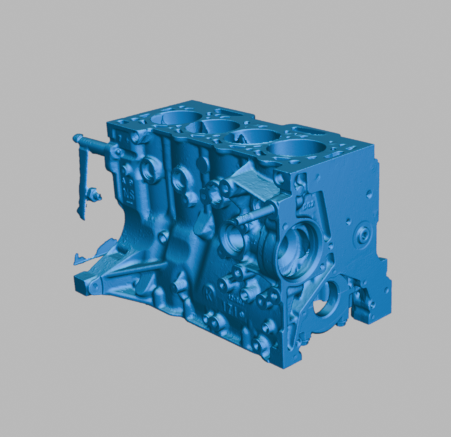 Image 2 of 3
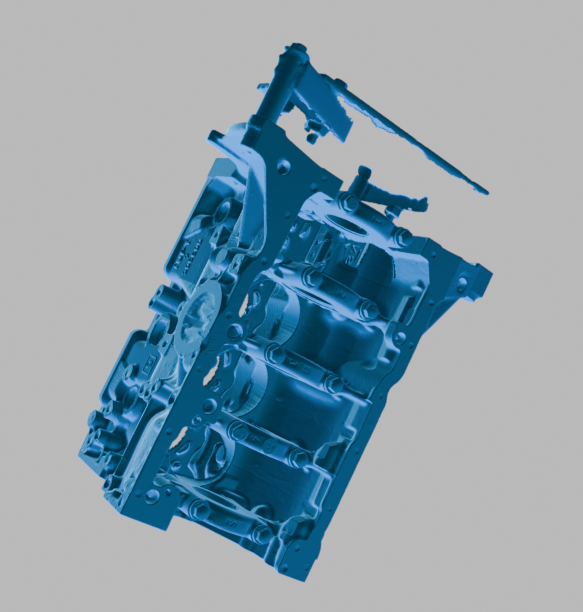 Image 3 of 3
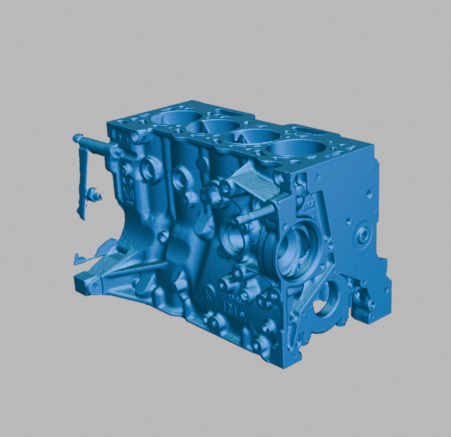
Contributor: Daniel Ferreira
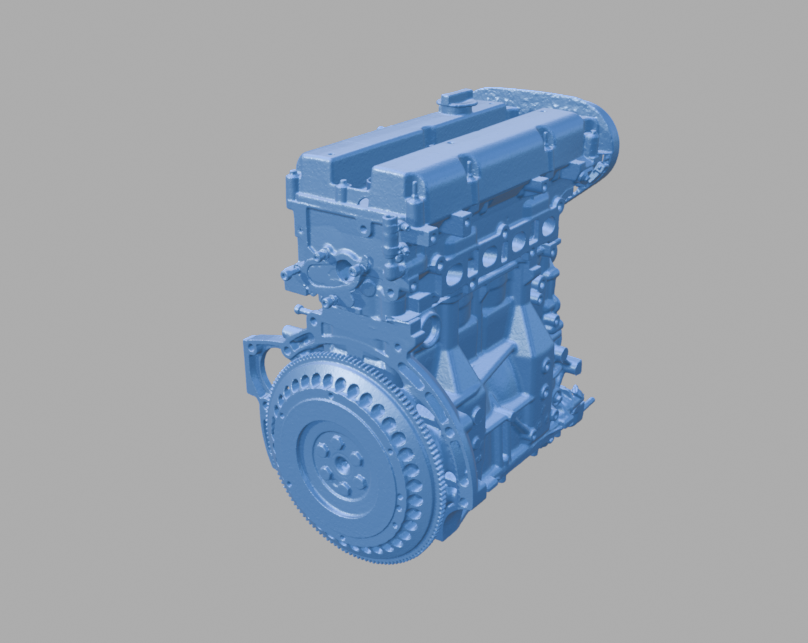
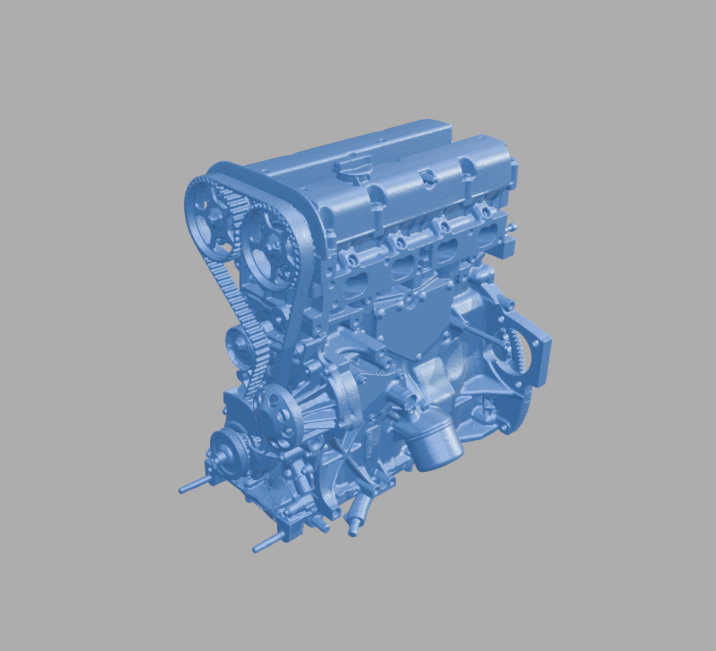
The TU5J4 is a 1.6-liter, 16-valve, inline-four petrol engine from the PSA Peugeot Citroën TU engine family, known for its performance and reliability in compact sporty models. It was primarily used in the Peugeot 106 S16, Peugeot 206 S16 2000, and Citroën Saxo VTS.
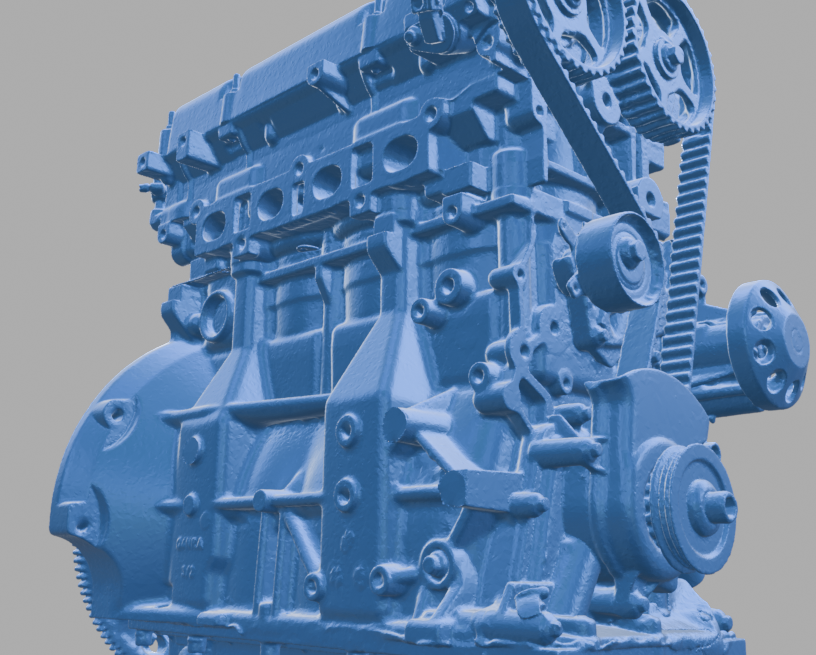
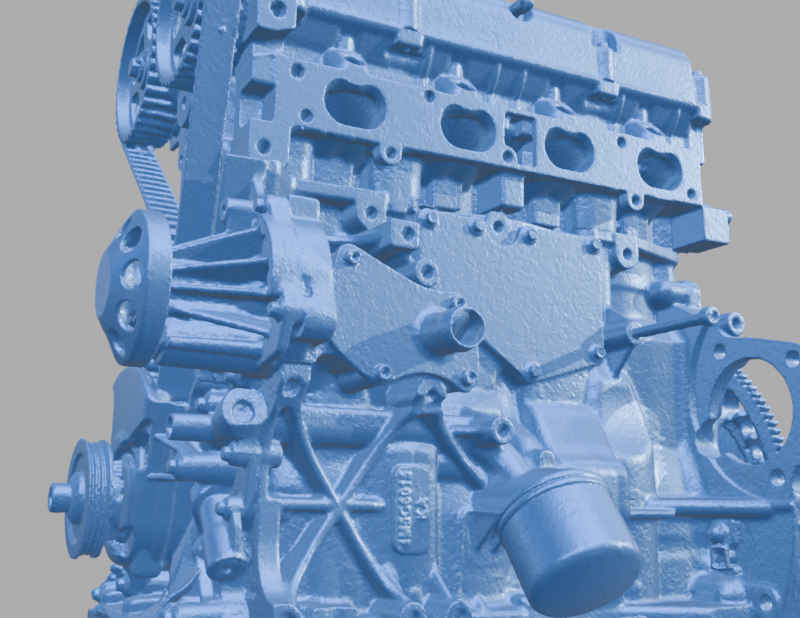
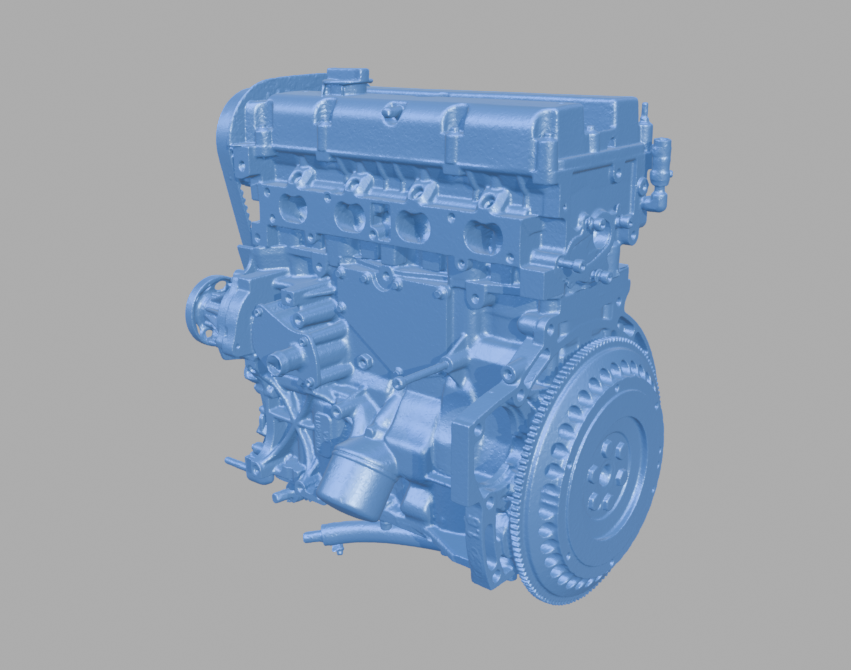
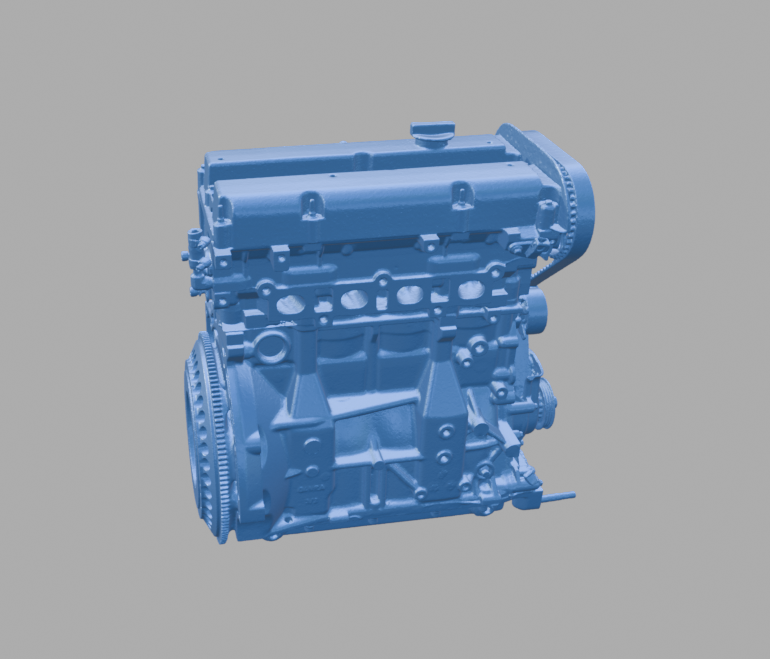
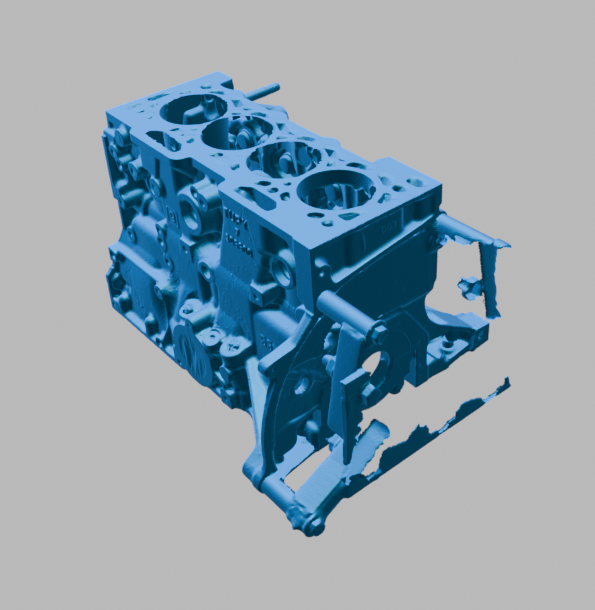
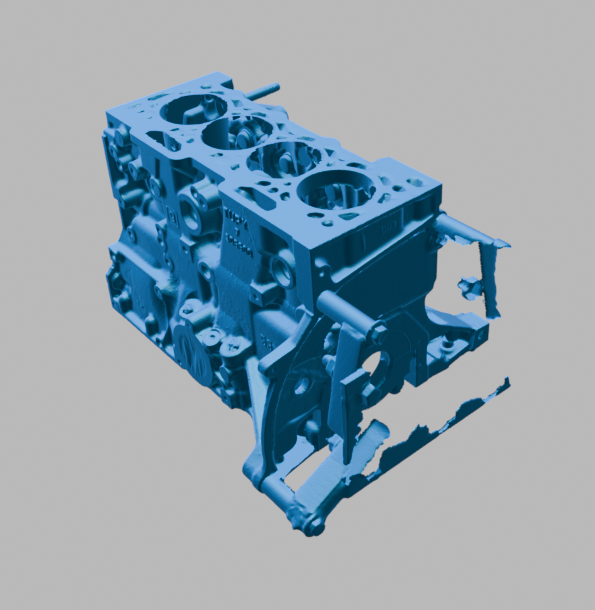
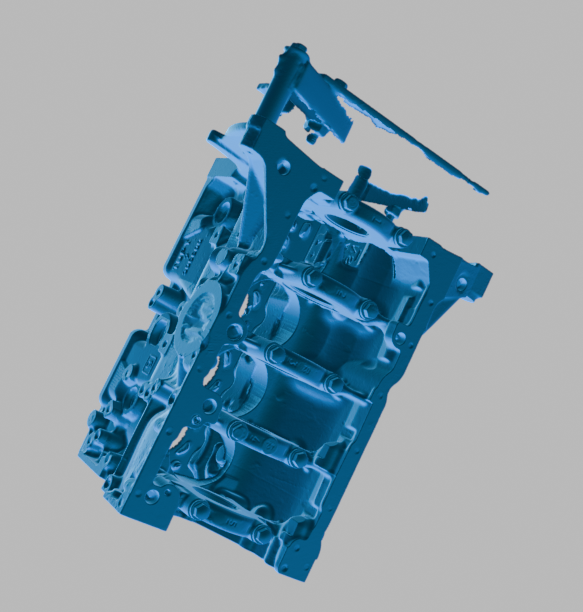
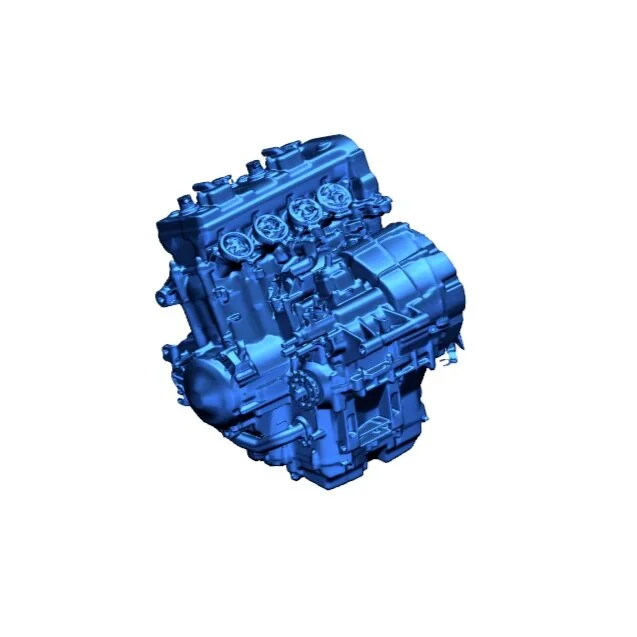
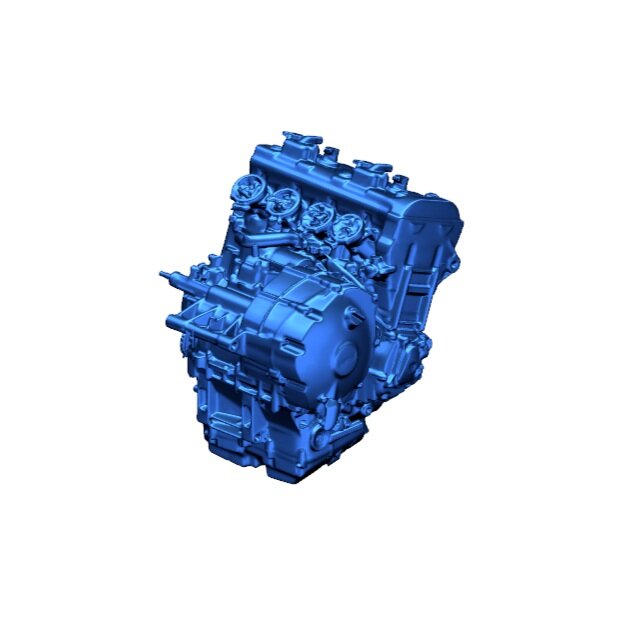
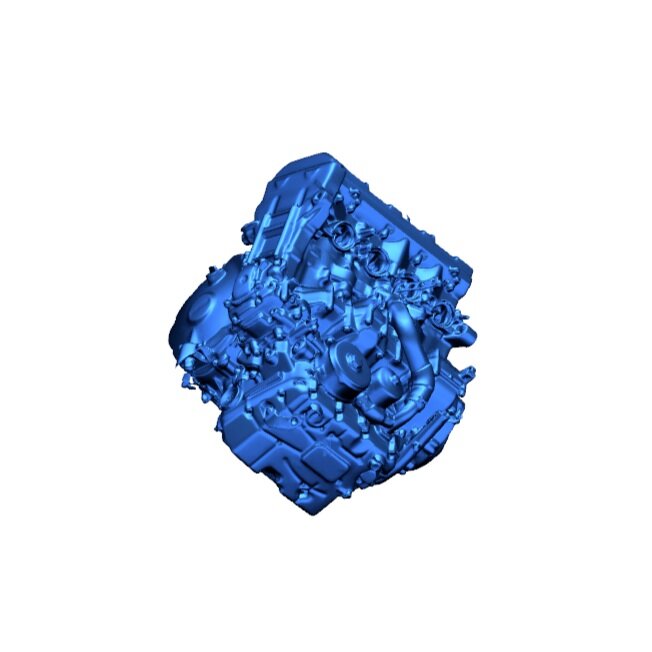
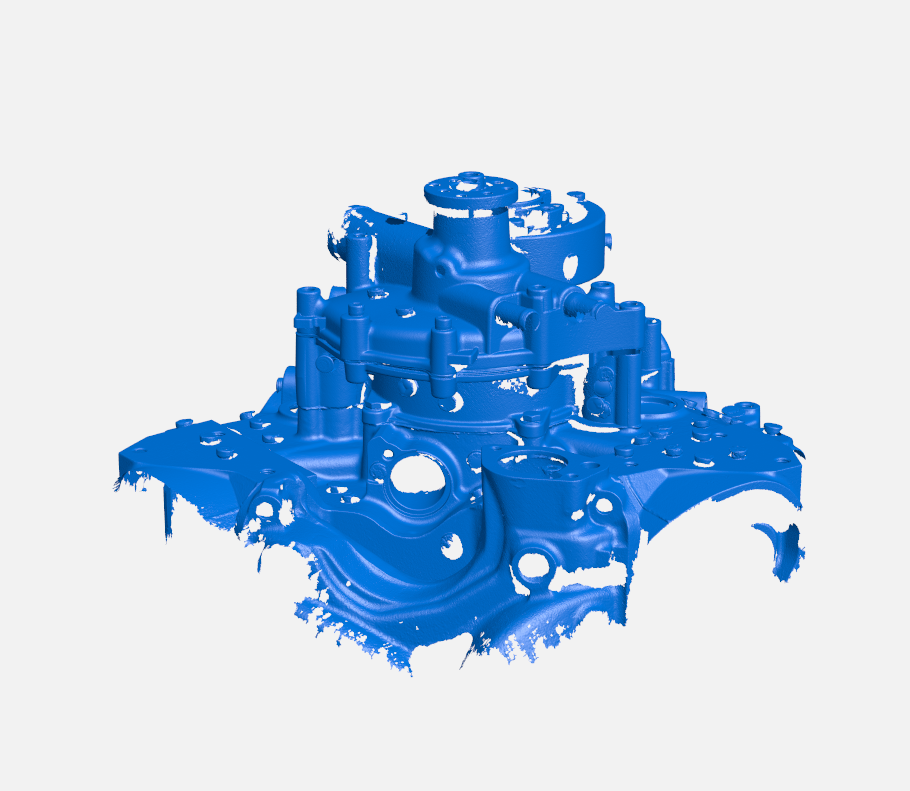
This listing provides a high-resolution 3D scan of the TU5J4 engine block, capturing the external geometry, mounting points, and major interfaces of this widely used inline-four petrol engine. The scan is suitable for engine integration studies, aftermarket component design, reverse engineering, and digital visualization.
Scan is compatible with TU5J4 engine variants (verify fitment for specific vehicles).
The scan accurately represents external surfaces, mounting interfaces, and connection points, making it ideal for custom engine packaging, fitment analysis, and engineering reference.
Common Applications
Aftermarket engine component design
Engine bay fitment and packaging validation
Vehicle modification and performance upgrades
Reverse engineering for replacement or custom parts
3D visualization and CAD reference
Scan Coverage
External engine block geometry
Mounting points for accessories and brackets
Cooling and oil passage interfaces (external features only)
(Internal components such as pistons, crankshaft, and camshafts are not included.)
File Suitability
Ideal for CAD reference, engine packaging design, and drivetrain integration workflows.
Disclaimer:
We encourage you to download the sample file to assess scan format, output quality, and how it performs in your preferred software. Different packages may interpret scan data differently, so verifying compatibility with your workflow is essential.
Please refer to the provided part images to evaluate file quality and representation.
While every effort is made during scanning to ensure accuracy, we advise verifying critical dimensions against the physical part if your application requires tight tolerances or precise referencing.
Reviewing both the sample file and images will help ensure the scan meets your requirements before purchase.
Contributor: Daniel Ferreira
The TU5J4 is a 1.6-liter, 16-valve, inline-four petrol engine from the PSA Peugeot Citroën TU engine family, known for its performance and reliability in compact sporty models. It was primarily used in the Peugeot 106 S16, Peugeot 206 S16 2000, and Citroën Saxo VTS.
This listing provides a high-resolution 3D scan of the TU5J4 engine block, capturing the external geometry, mounting points, and major interfaces of this widely used inline-four petrol engine. The scan is suitable for engine integration studies, aftermarket component design, reverse engineering, and digital visualization.
Scan is compatible with TU5J4 engine variants (verify fitment for specific vehicles).
The scan accurately represents external surfaces, mounting interfaces, and connection points, making it ideal for custom engine packaging, fitment analysis, and engineering reference.
Common Applications
Aftermarket engine component design
Engine bay fitment and packaging validation
Vehicle modification and performance upgrades
Reverse engineering for replacement or custom parts
3D visualization and CAD reference
Scan Coverage
External engine block geometry
Mounting points for accessories and brackets
Cooling and oil passage interfaces (external features only)
(Internal components such as pistons, crankshaft, and camshafts are not included.)
File Suitability
Ideal for CAD reference, engine packaging design, and drivetrain integration workflows.
Disclaimer:
We encourage you to download the sample file to assess scan format, output quality, and how it performs in your preferred software. Different packages may interpret scan data differently, so verifying compatibility with your workflow is essential.
Please refer to the provided part images to evaluate file quality and representation.
While every effort is made during scanning to ensure accuracy, we advise verifying critical dimensions against the physical part if your application requires tight tolerances or precise referencing.
Reviewing both the sample file and images will help ensure the scan meets your requirements before purchase.



![Ford Windsor 351 Front End with Water Pump - 3D Scan (STL) [Item: MHI]](https://images.squarespace-cdn.com/content/v1/5aaee99b96e76f27dc94b28a/f508cb2c-57a2-4fc0-a934-d5fc5e6fd7f6/Best_STL_Viewer_jRrfzJJ08X.png)
![Formula Ford Engine - 3D Scan (STL) [Item: SBU]](https://images.squarespace-cdn.com/content/v1/5aaee99b96e76f27dc94b28a/9ef7dd73-ced9-4630-a093-49c3b84f3087/blender_Jq9KXpQpbi.png)