 Image 1 of 5
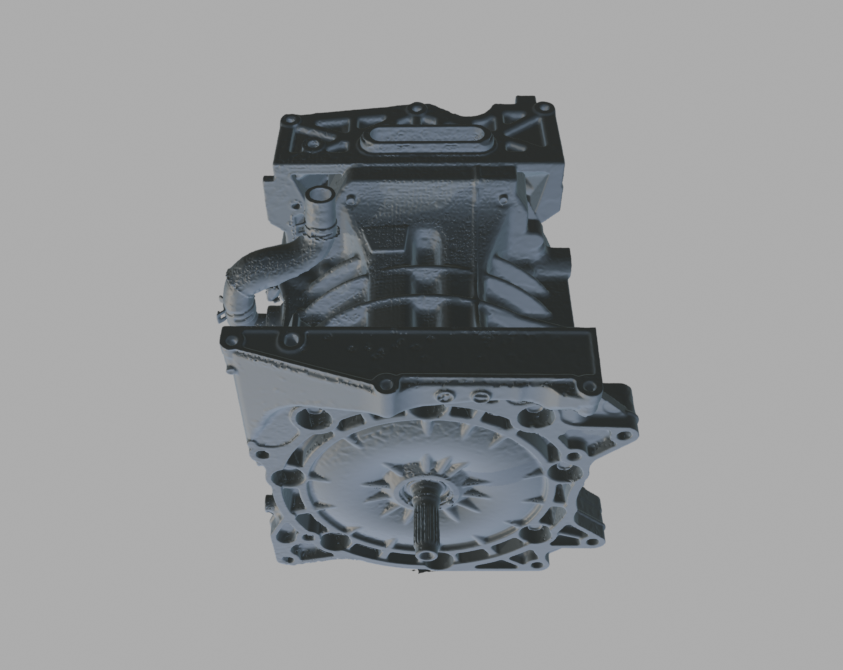 Image 2 of 5
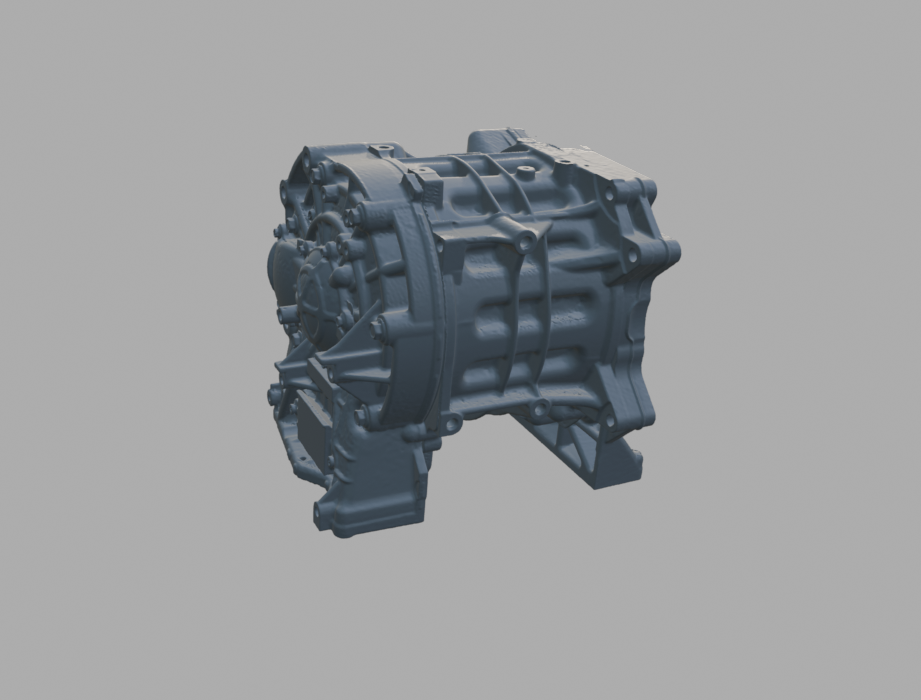 Image 3 of 5
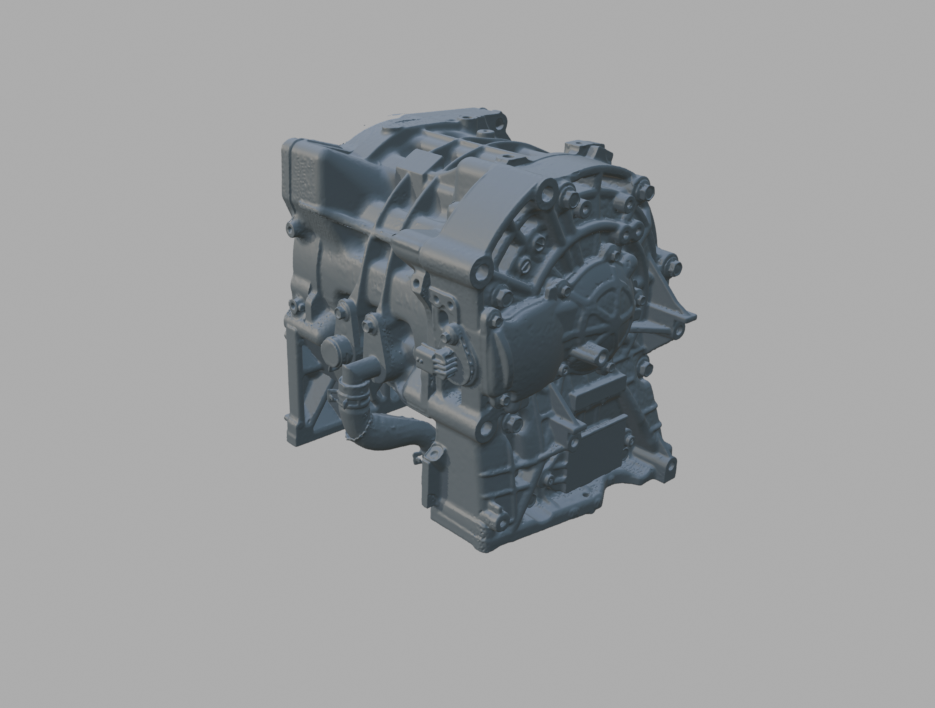 Image 4 of 5
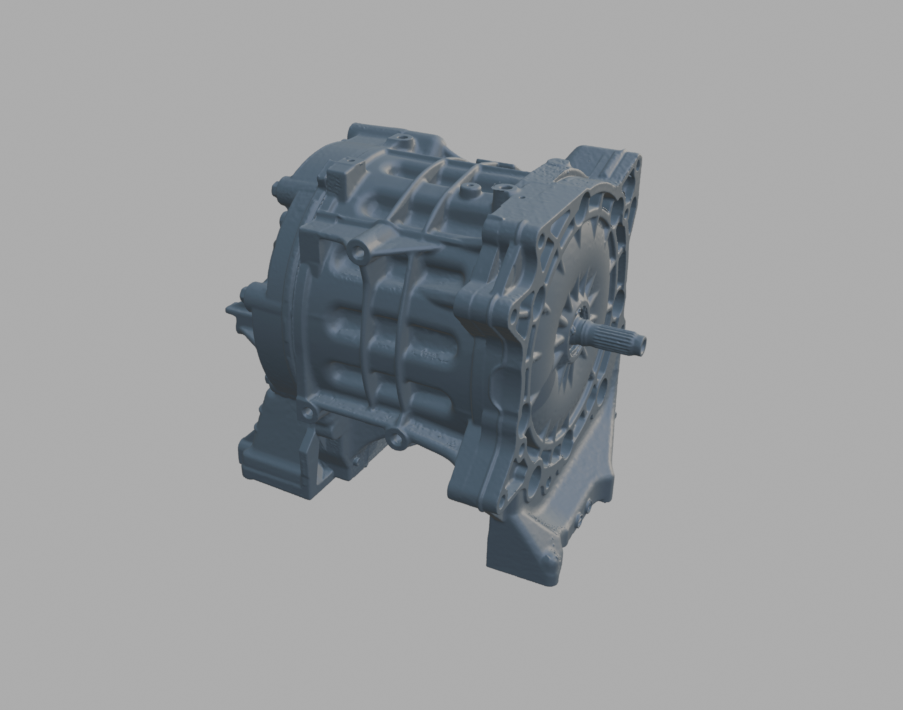 Image 5 of 5
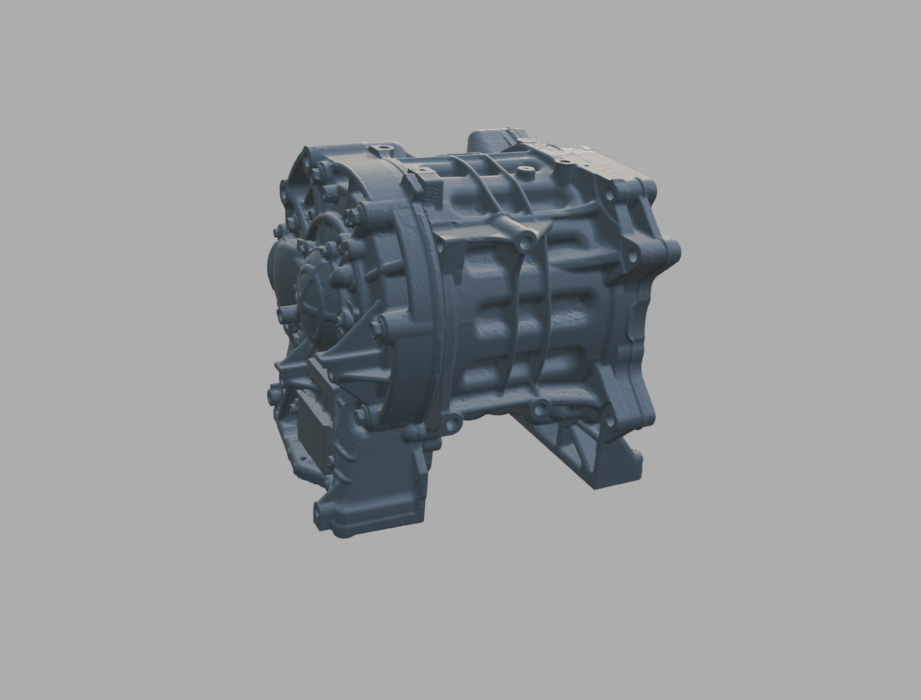
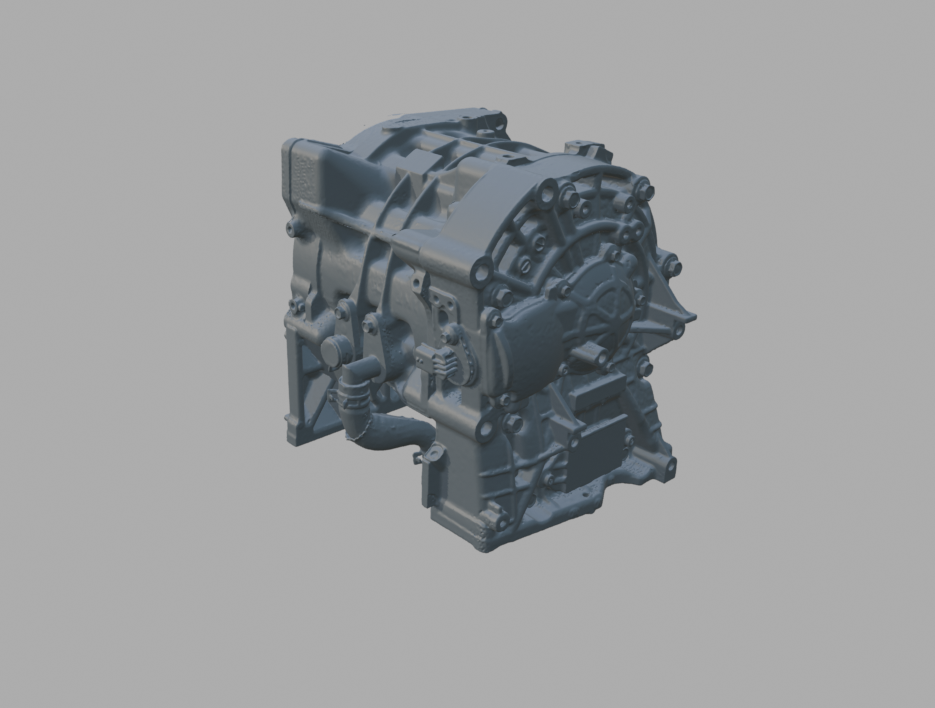
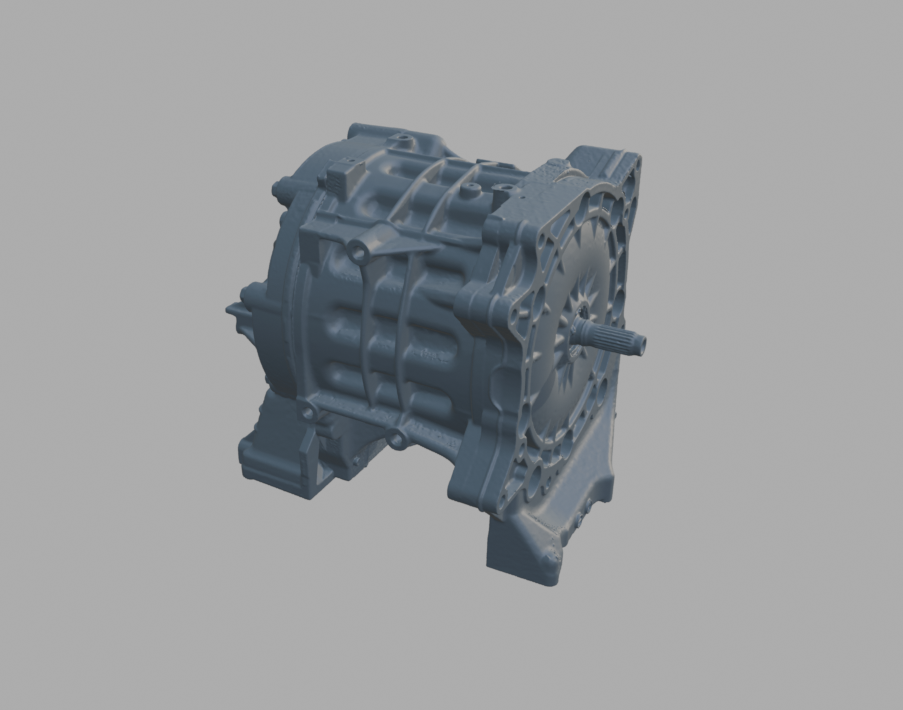
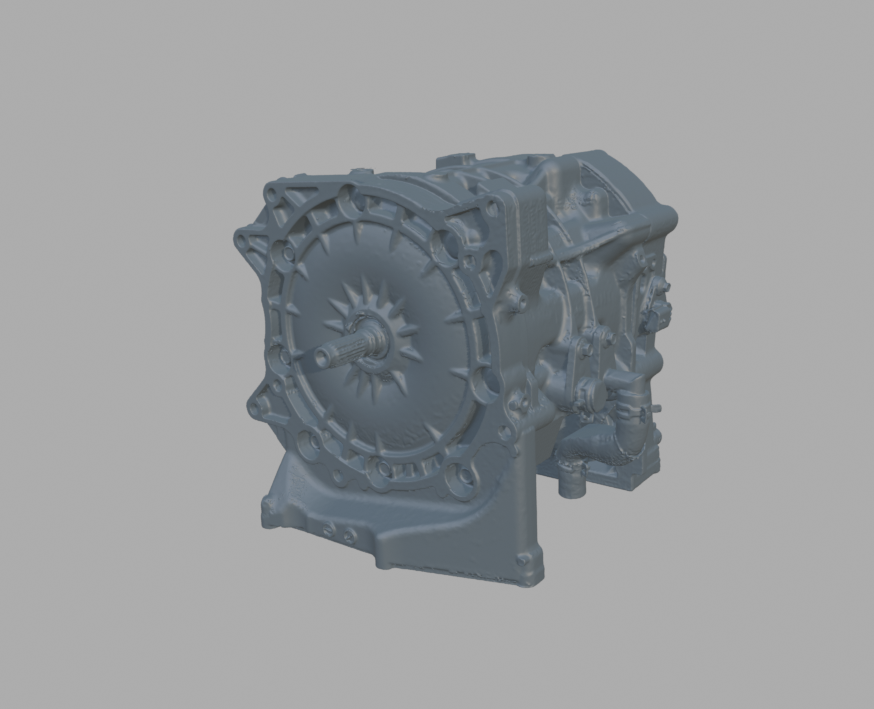
Contributor: emerald_sovienok
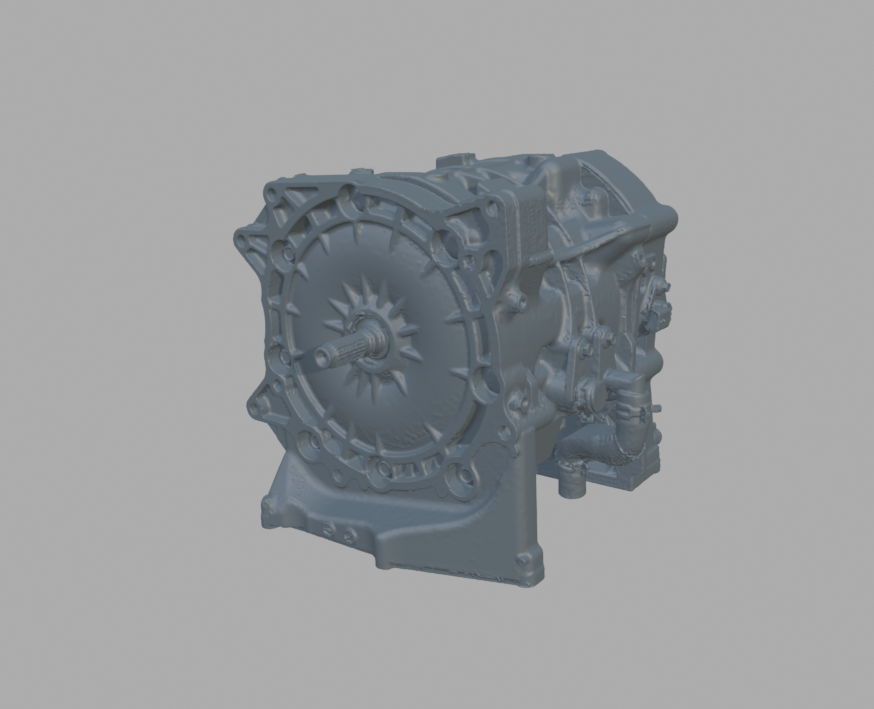
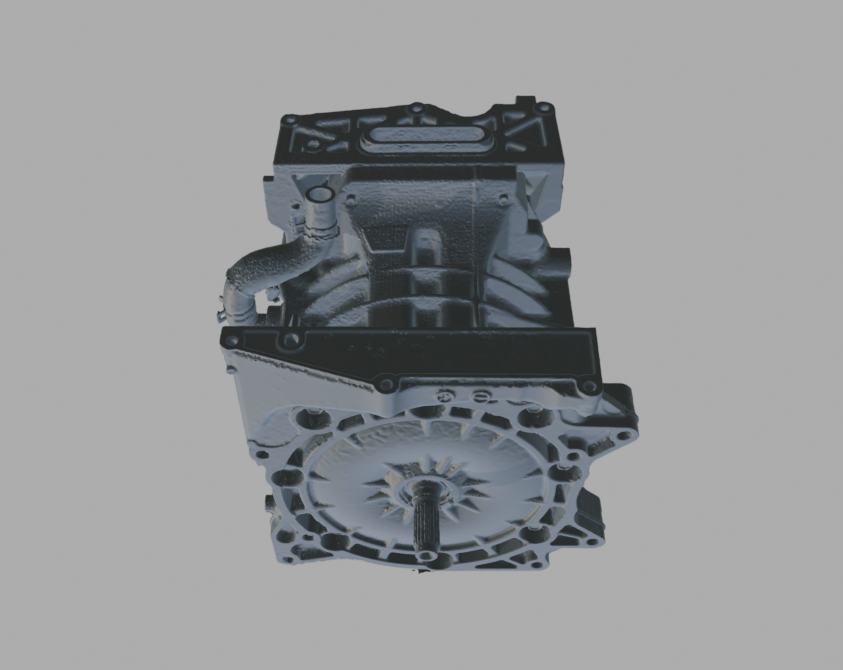
This listing provides a high-resolution 3D scan of the Nissan Leaf EM57 traction motor housing, captured with the rear cover removed to expose key external and mounting geometry. The EM57 is widely recognised within the EV conversion and electric motorsport space due to its compact packaging, strong power capability, and availability from donor vehicles.
Scan is compatible with second gen Nissan Leaf (ZE1) 2018-Present.
The scan captures accurate real-world geometry of the motor casing, mounting faces, and external packaging envelope, making it suitable for integration, clearance analysis, and custom component development.
5.3M Polygons
EV conversion drivetrain packaging
Custom motor mount and adapter plate design
Battery and inverter packaging studies
Chassis clearance and integration validation
Reverse engineering and aftermarket component development
Cooling and auxiliary system layout
External motor housing geometry
Mounting surfaces and bolt locations
Packaging envelope of the EM57 casing
Rear cover removed (internal rotor/stator components not included)
The EM57 motor is commonly used in:
EV conversion projects for classic and performance vehicles
Lightweight motorsport electric drivetrain builds
Research and development of electric powertrain integration
Educational and prototyping applications
Ideal for CAD reference, design packaging, and engineering analysis workflows.
Disclaimer:
We encourage you to download the sample file to assess scan format, output quality, and how it performs in your preferred software. Different packages may interpret scan data differently, so verifying compatibility with your workflow is essential.
Please refer to the provided part images to evaluate file quality and representation.
While every effort is made during scanning to ensure accuracy, we advise verifying critical dimensions against the physical part if your application requires tight tolerances or precise referencing.
Reviewing both the sample file and images will help ensure the scan meets your requirements before purchase.
Contributor: emerald_sovienok
This listing provides a high-resolution 3D scan of the Nissan Leaf EM57 traction motor housing, captured with the rear cover removed to expose key external and mounting geometry. The EM57 is widely recognised within the EV conversion and electric motorsport space due to its compact packaging, strong power capability, and availability from donor vehicles.
Scan is compatible with second gen Nissan Leaf (ZE1) 2018-Present.
The scan captures accurate real-world geometry of the motor casing, mounting faces, and external packaging envelope, making it suitable for integration, clearance analysis, and custom component development.
5.3M Polygons
EV conversion drivetrain packaging
Custom motor mount and adapter plate design
Battery and inverter packaging studies
Chassis clearance and integration validation
Reverse engineering and aftermarket component development
Cooling and auxiliary system layout
External motor housing geometry
Mounting surfaces and bolt locations
Packaging envelope of the EM57 casing
Rear cover removed (internal rotor/stator components not included)
The EM57 motor is commonly used in:
EV conversion projects for classic and performance vehicles
Lightweight motorsport electric drivetrain builds
Research and development of electric powertrain integration
Educational and prototyping applications
Ideal for CAD reference, design packaging, and engineering analysis workflows.
Disclaimer:
We encourage you to download the sample file to assess scan format, output quality, and how it performs in your preferred software. Different packages may interpret scan data differently, so verifying compatibility with your workflow is essential.
Please refer to the provided part images to evaluate file quality and representation.
While every effort is made during scanning to ensure accuracy, we advise verifying critical dimensions against the physical part if your application requires tight tolerances or precise referencing.
Reviewing both the sample file and images will help ensure the scan meets your requirements before purchase.
![Ford Coyote Miami 302 V8 Engine with cylinder heads - 3D Scan (STL) [Item: MHI]](https://images.squarespace-cdn.com/content/v1/5aaee99b96e76f27dc94b28a/794d9fe5-fd6e-4e18-8718-cfd7ac837fab/Best_STL_Viewer_OiVnQ0pX6z.png)
![GM LS1 Water Pump with Pulley - 3D Scan (STL) [Item: MHI]](https://images.squarespace-cdn.com/content/v1/5aaee99b96e76f27dc94b28a/c1d4b1b5-9aac-45ce-9dc4-c2c6881b5cc5/Best_STL_Viewer_WeWUoa4IX4.png)
![Triple Dellorto DHLA40 On Cannon Manifold With Linkages - 3D Scan (STL) [Item: SBU]](https://images.squarespace-cdn.com/content/v1/5aaee99b96e76f27dc94b28a/aafb9b5a-7192-4c95-a3c0-b93d8d149975/carbies2.png)