 Image 1 of 5
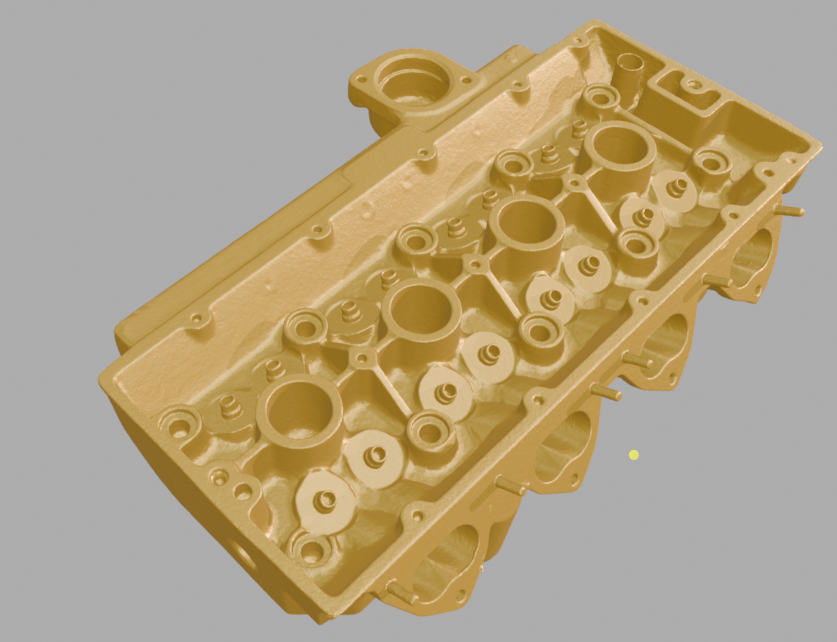 Image 2 of 5
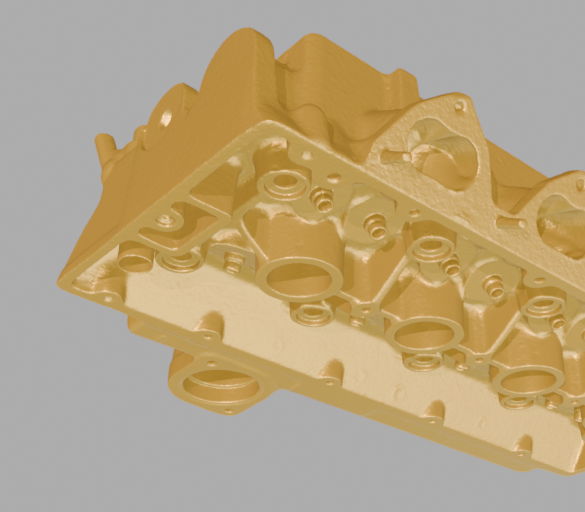 Image 3 of 5
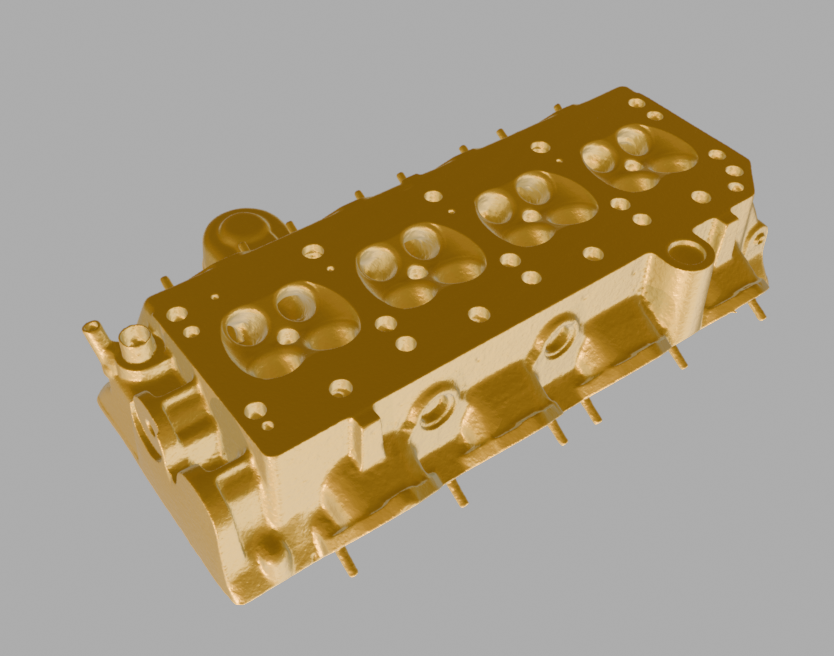 Image 4 of 5
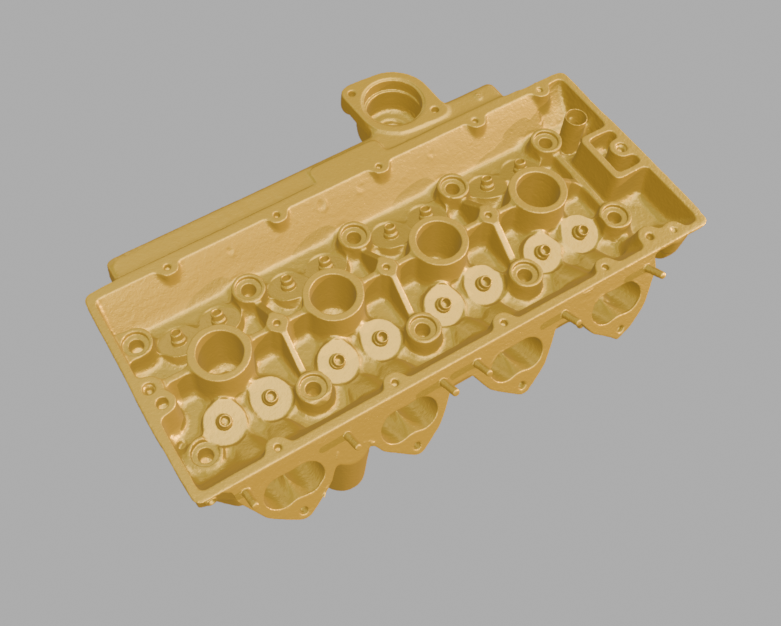 Image 5 of 5
Contributor: Scottify Designs
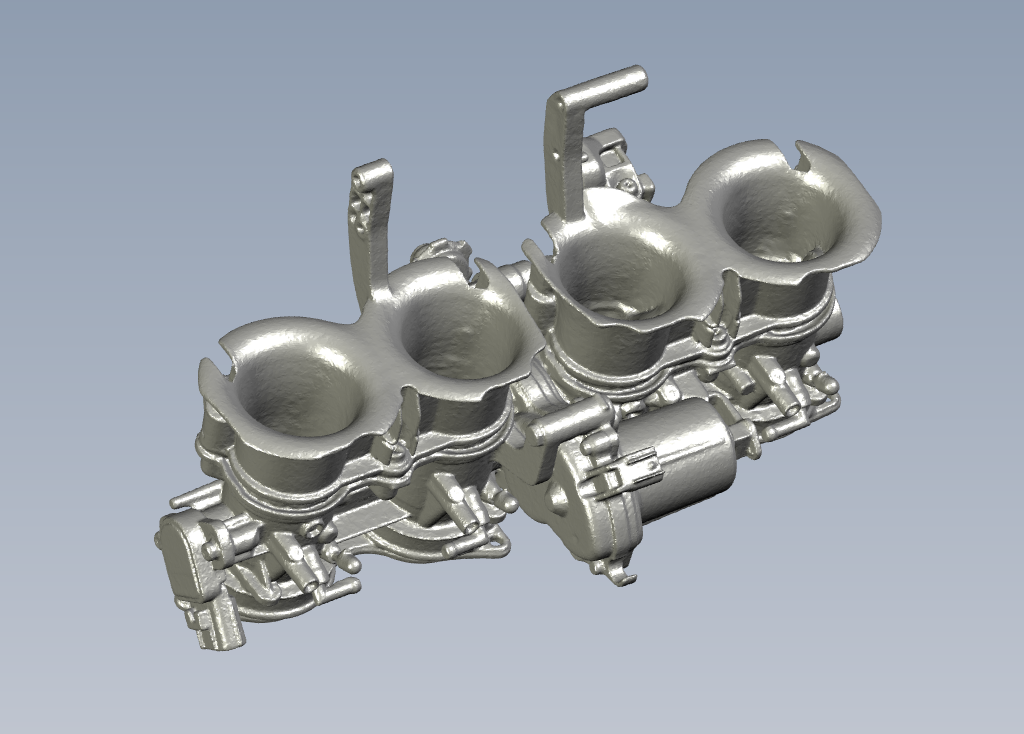
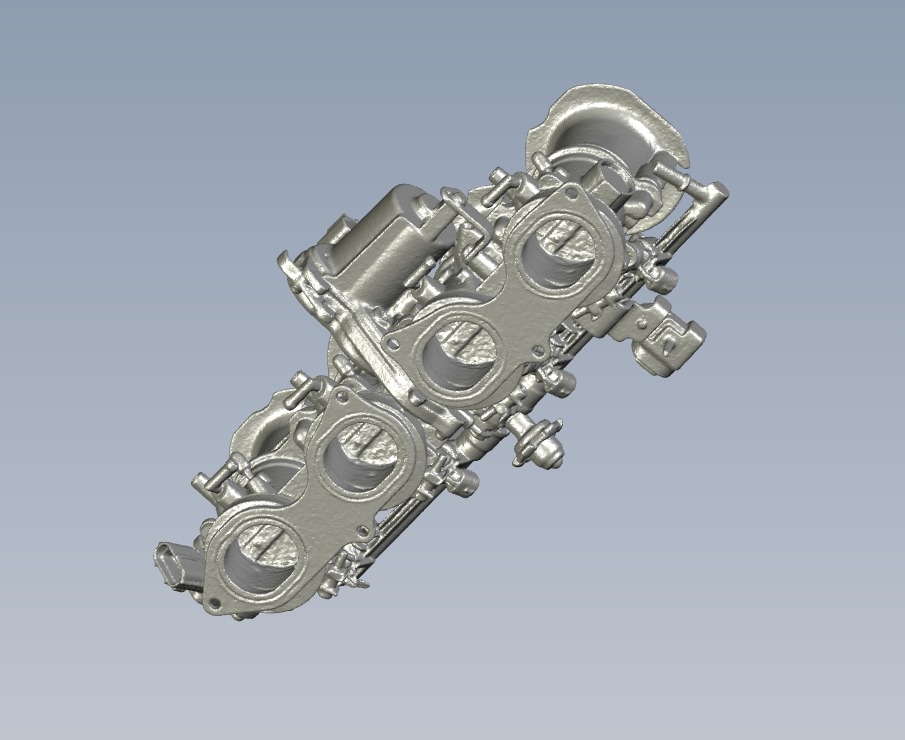
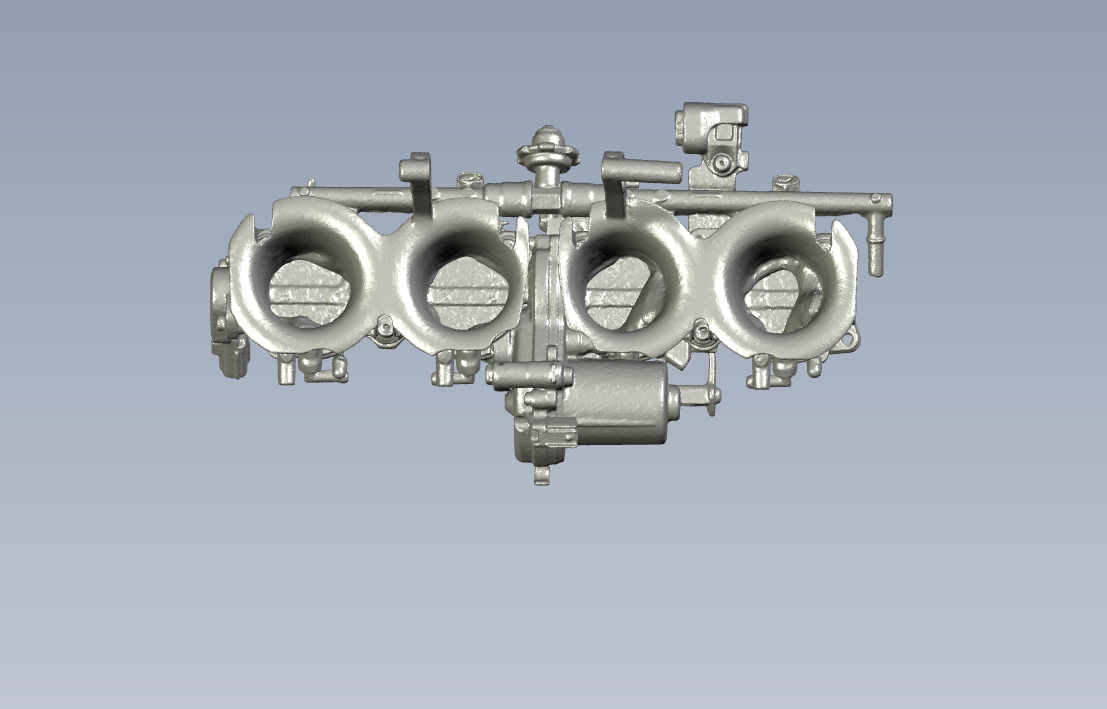
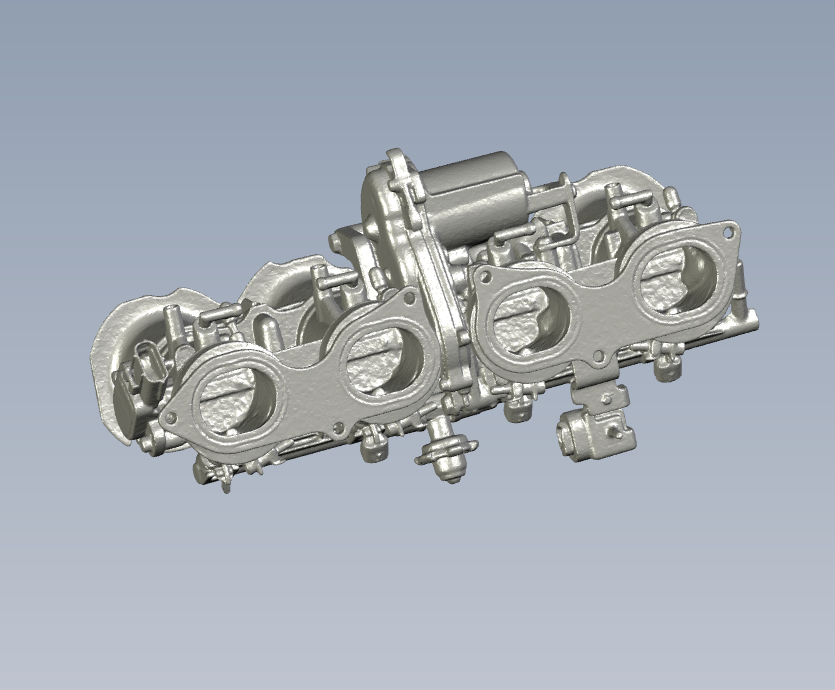
This listing provides a high-resolution 3D scan of a Ford Cosworth BDA cylinder head used in classic Ford and Cosworth twin-cam racing applications.
The Ford Cosworth BDA (Belt Drive A-Series) cylinder head is one of the most iconic twin-cam racing cylinder heads developed for Ford-based motorsport applications, widely used across Formula Atlantic, Escort rally cars, sports prototypes, and historic racing platforms. The scan preserves the distinctive external geometry and packaging characteristics of the BDA casting for engineering and fabrication purposes.
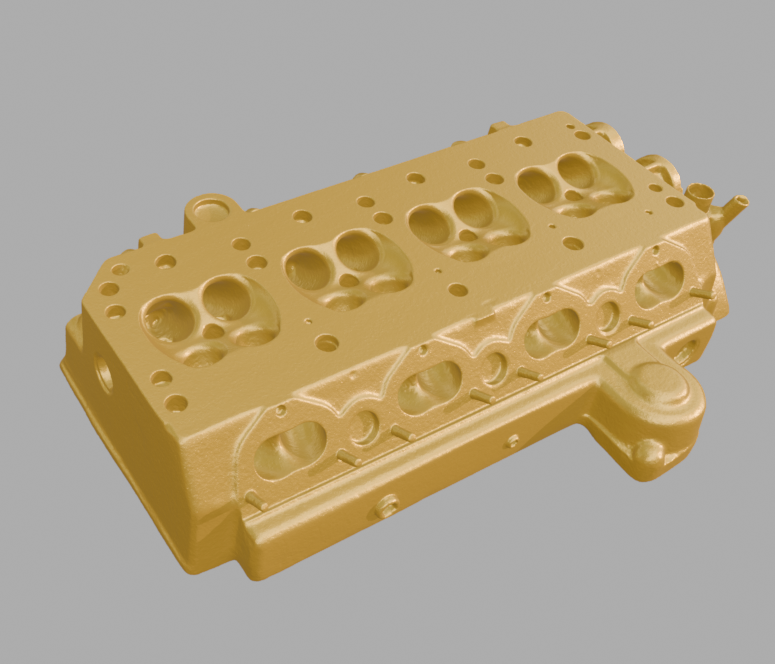
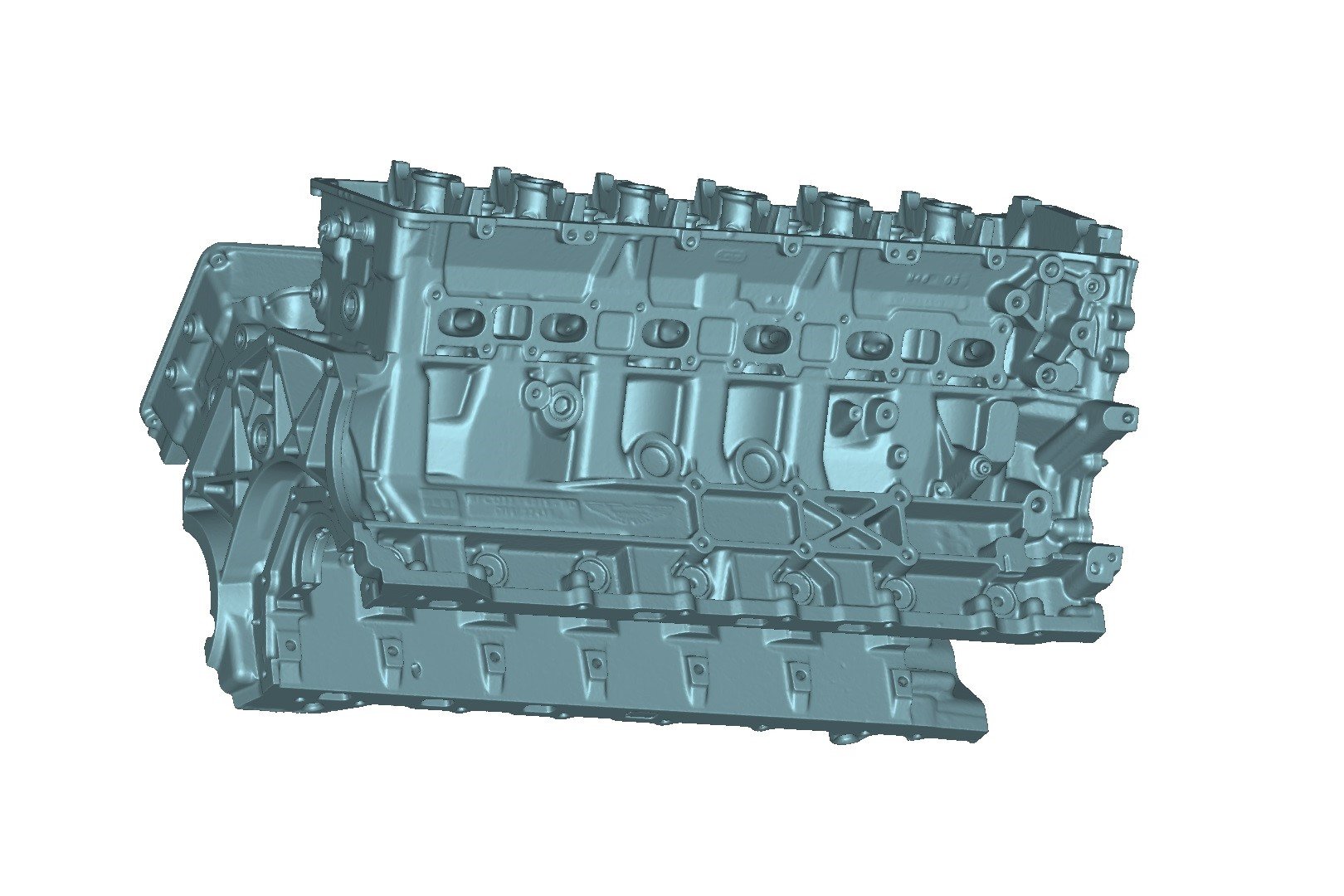
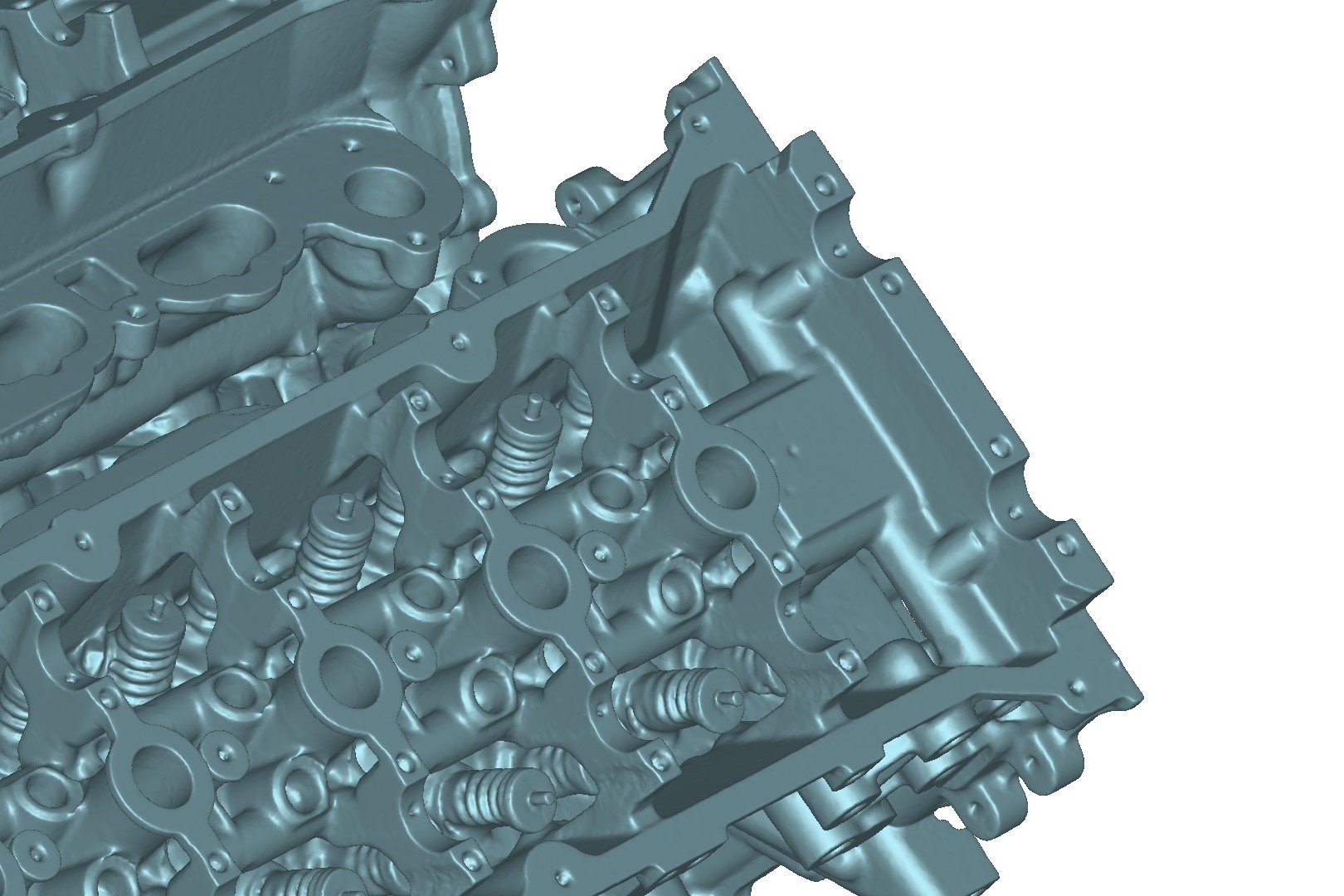
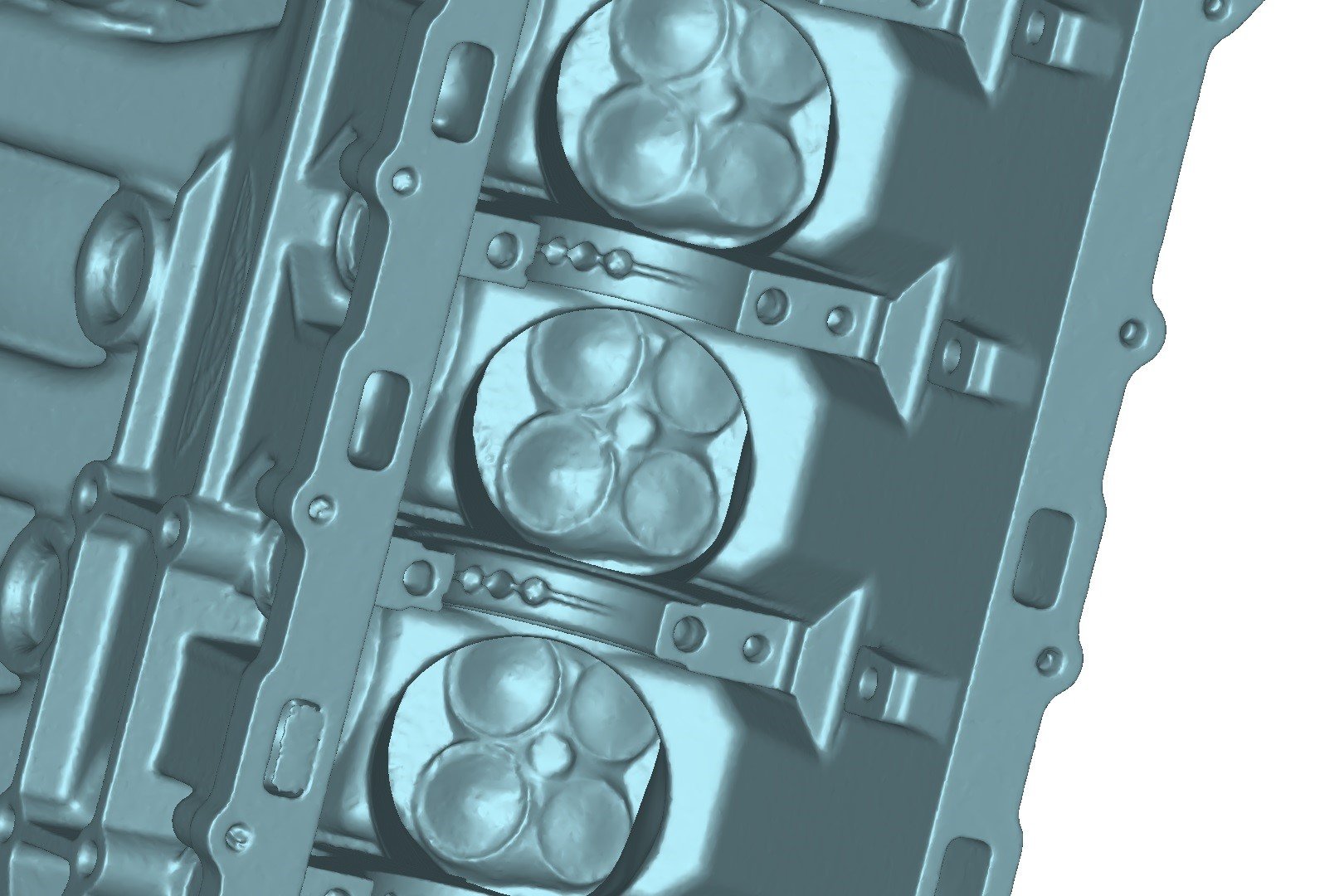
The scan captures detailed external geometry including intake runner entry shapes, exhaust port exits, water jacket outlets, cam carrier geometry, spark plug positioning, and major mounting interfaces, making it suitable for intake and exhaust development, packaging studies, custom fabrication, and motorsport CAD workflows.
Compatible with Ford Cosworth BDA-based development and engineering applications (please verify your specific casting variant and configuration for intended use).
Intake and exhaust manifold development
Historic motorsport restoration and fabrication
Reverse engineering for replacement or performance parts
Engine bay and drivetrain packaging studies
CAD modeling and CFD preparation
Motorsport visualization and simulation workflows
Fixture, jig, and tooling development
Ideal for CAD reference, motorsport engineering, reverse engineering, and fabrication workflows.
Scan is watertight; some areas may require cleanup or surface reconstruction depending on your intended workflow.
External geometry only; internal water jacket and internal port core geometry are not fully represented unless externally visible.
Fine-detail areas such as threaded holes, gasket surfaces, and sealing faces may require verification or refinement before manufacturing use.
This particular BDA cylinder head has had the combustion face machined lower than standard specification. Users should verify all critical dimensions, chamber volumes, and deck heights against known specifications before use in design, machining, or engine assembly applications.
We strongly recommend measuring the combustion face height and associated reference dimensions prior to relying on the scan for precision engineering work.
We encourage you to download the sample file to assess scan format, output quality, and compatibility with your preferred software before purchase. Different CAD and mesh-processing packages may interpret scan data differently, so verifying compatibility with your workflow is essential.
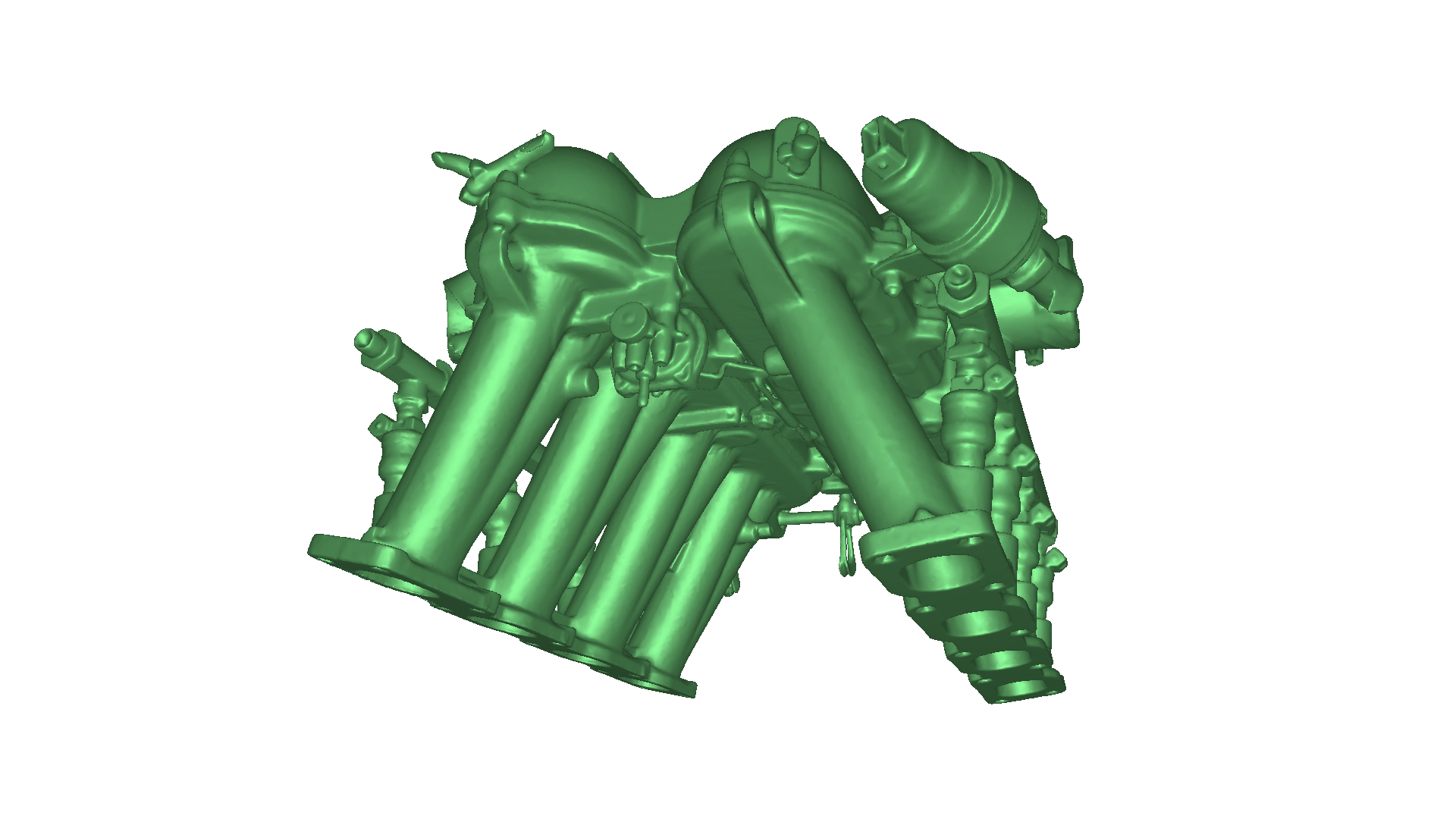
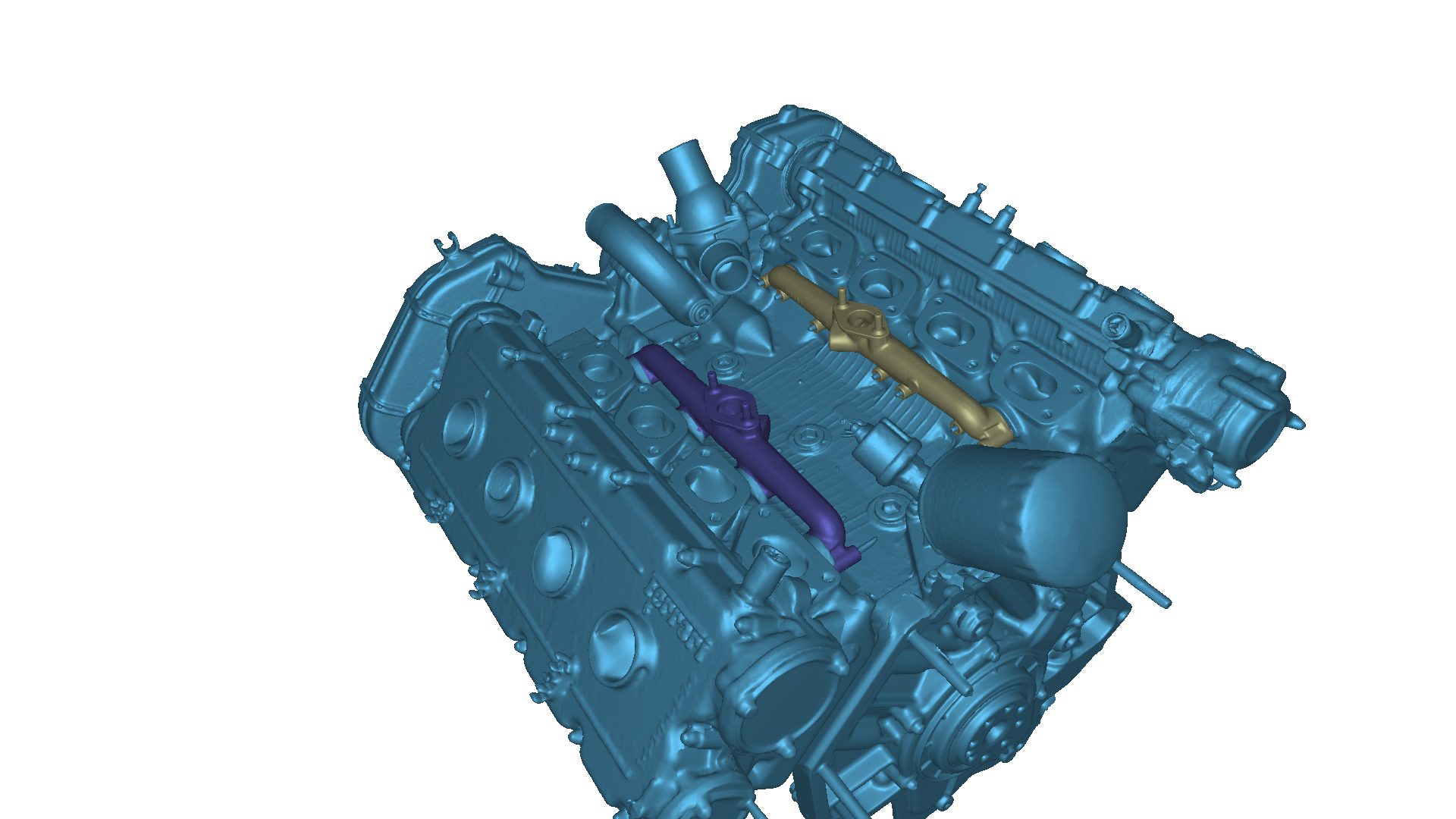
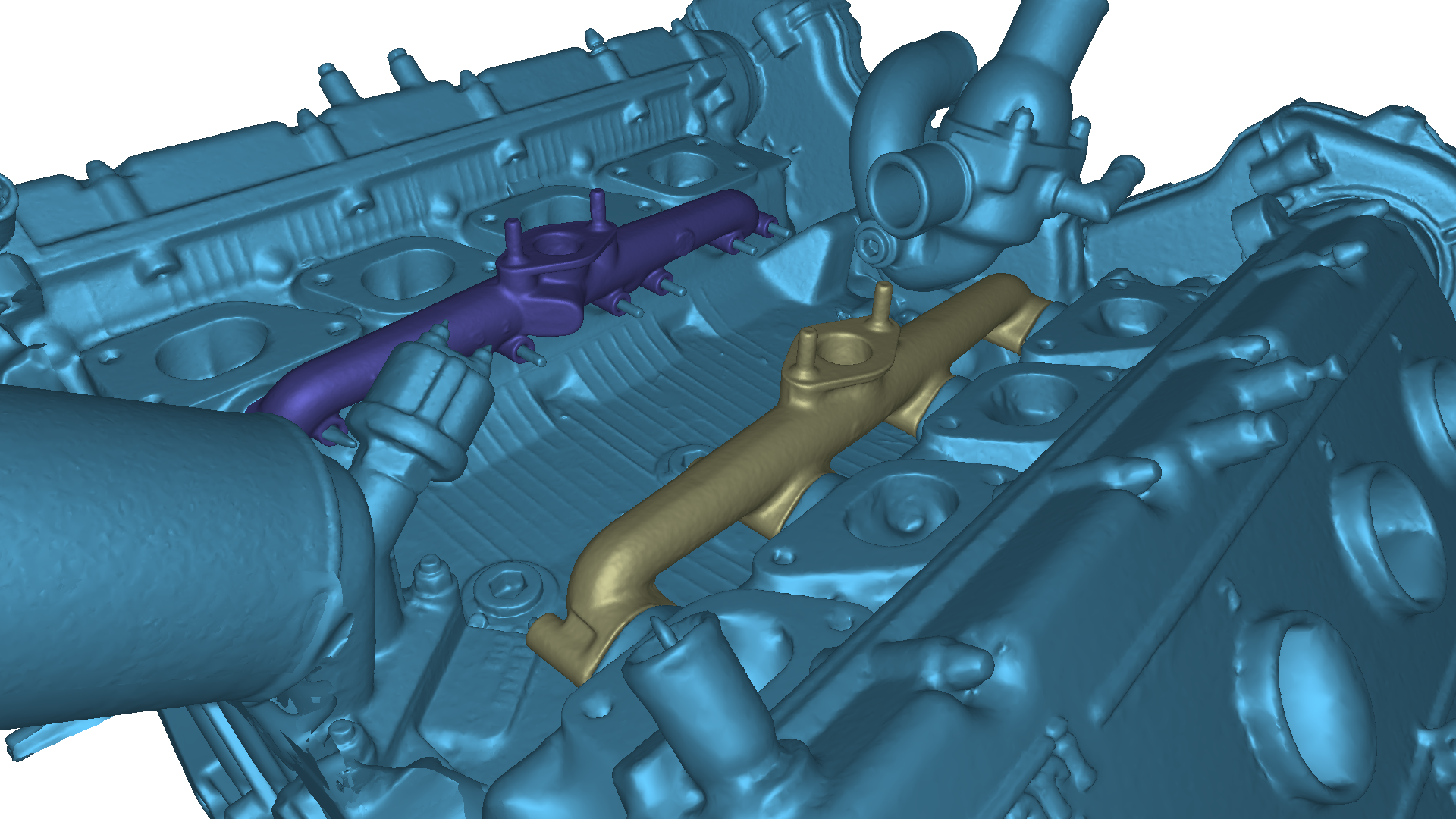
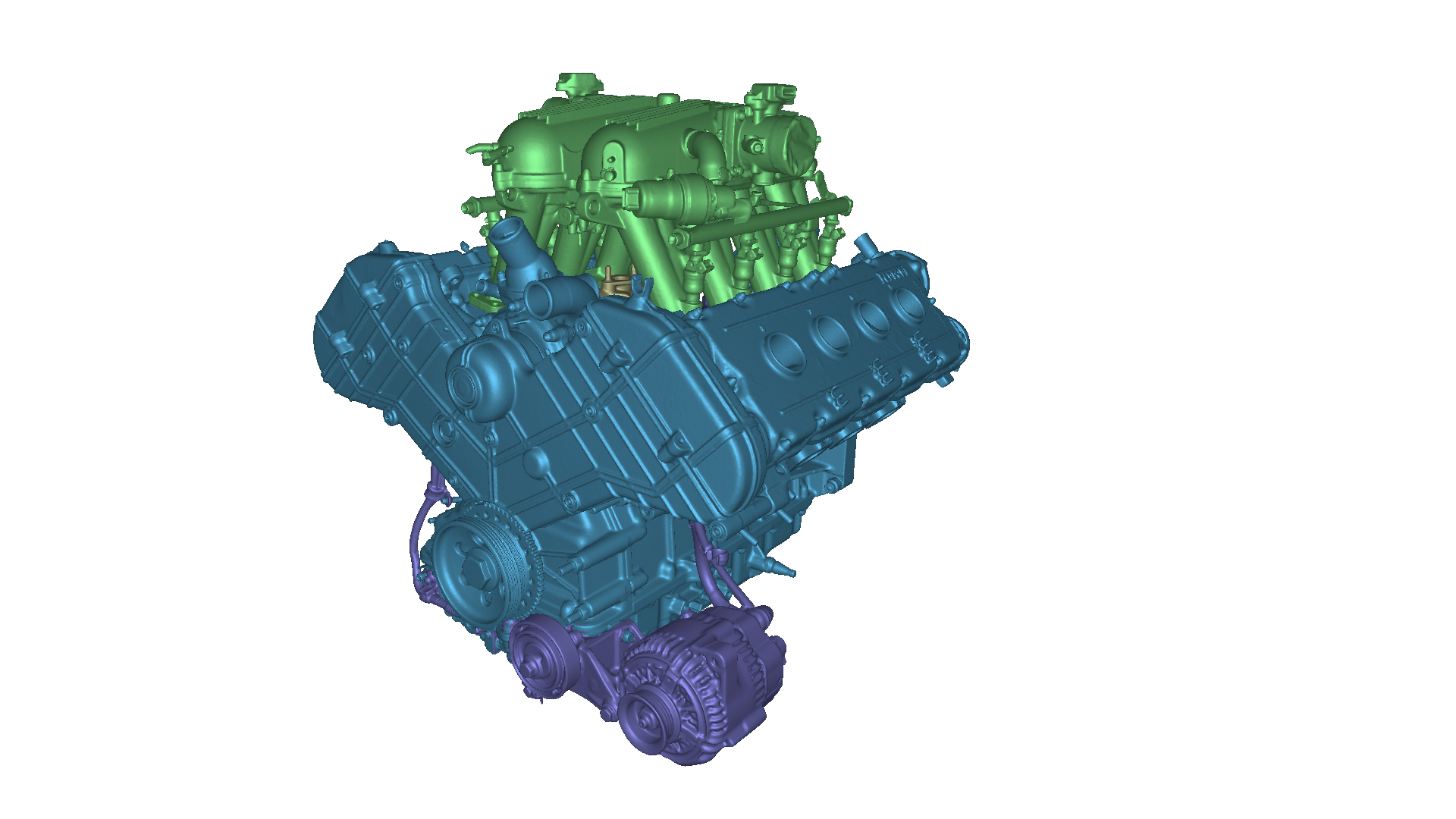
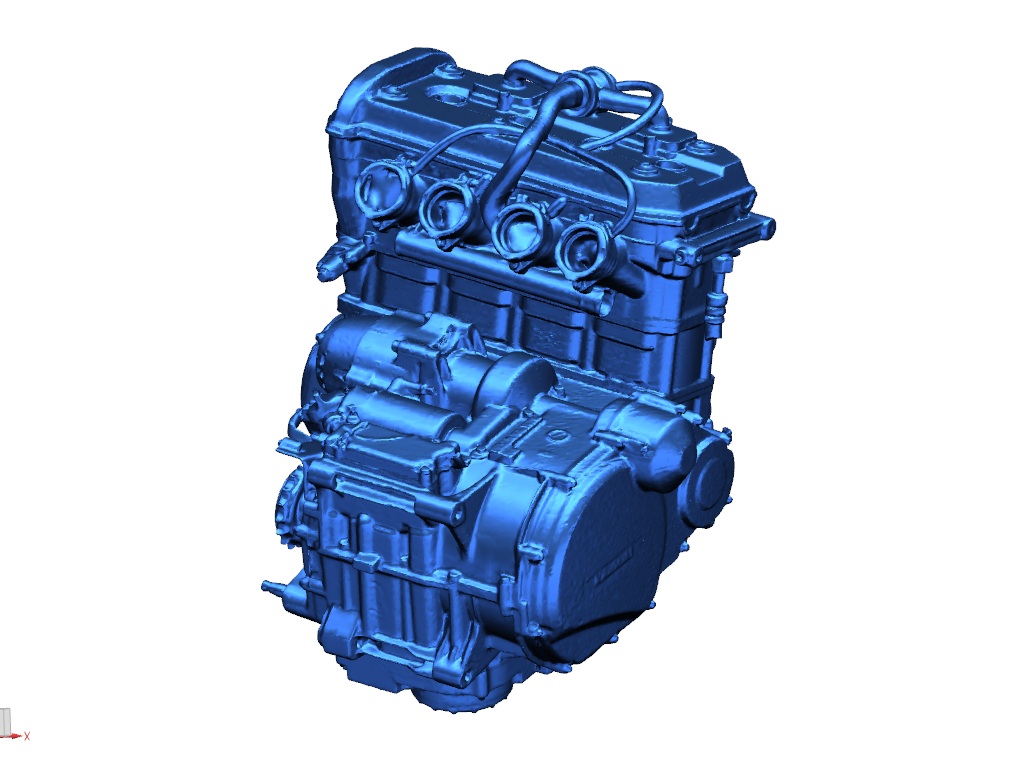
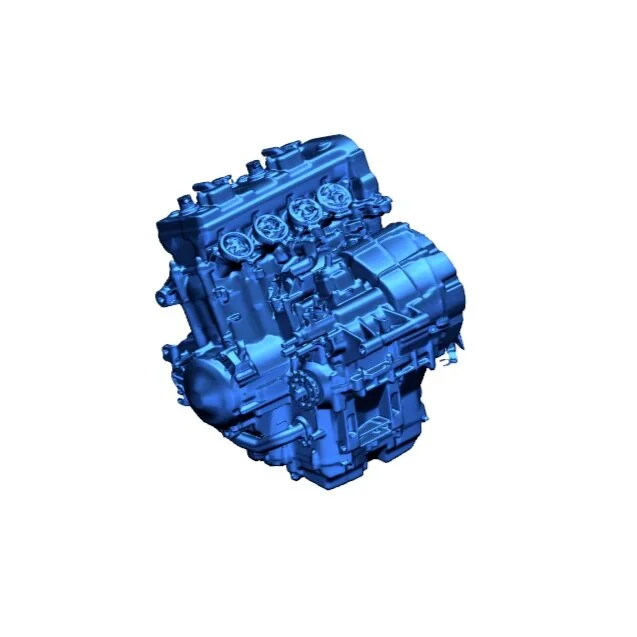
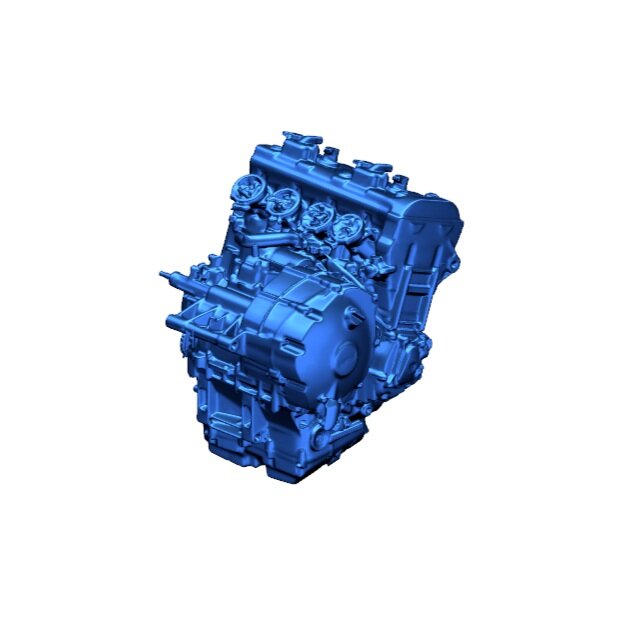
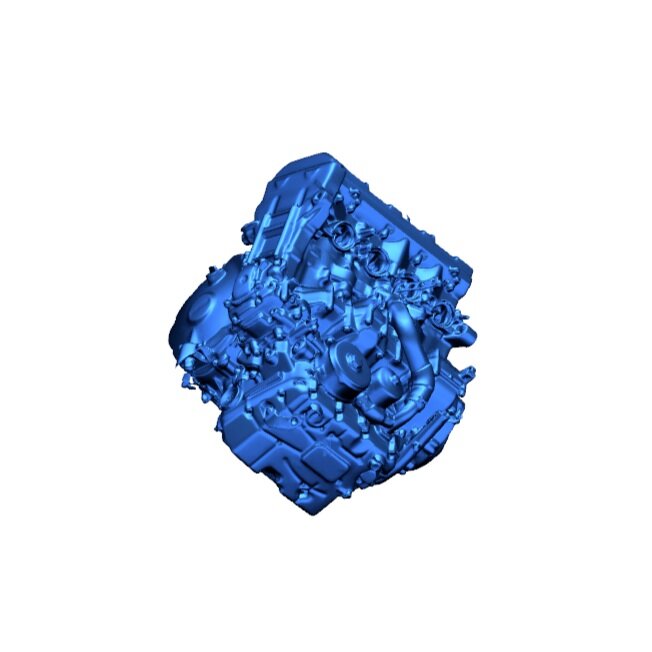
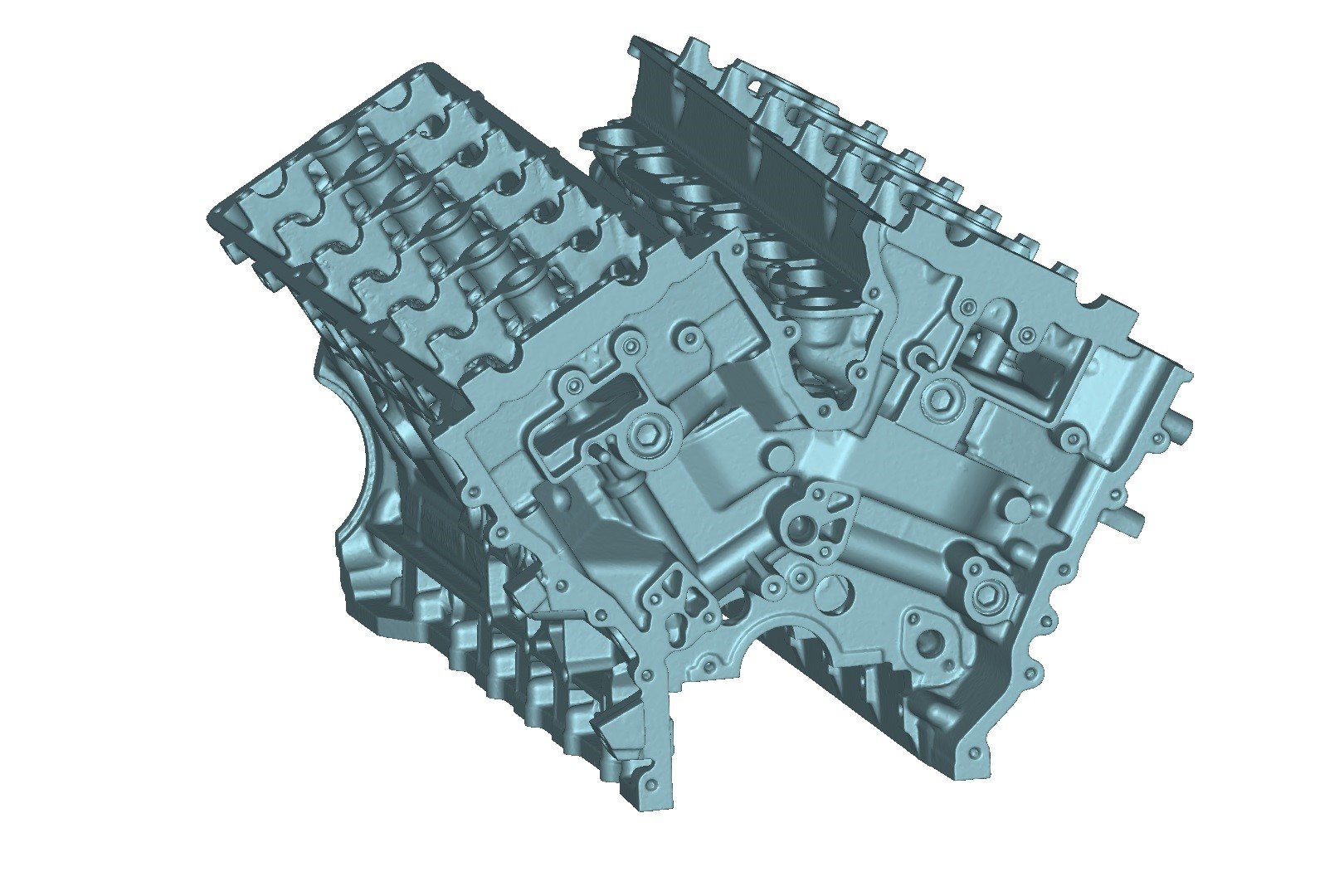
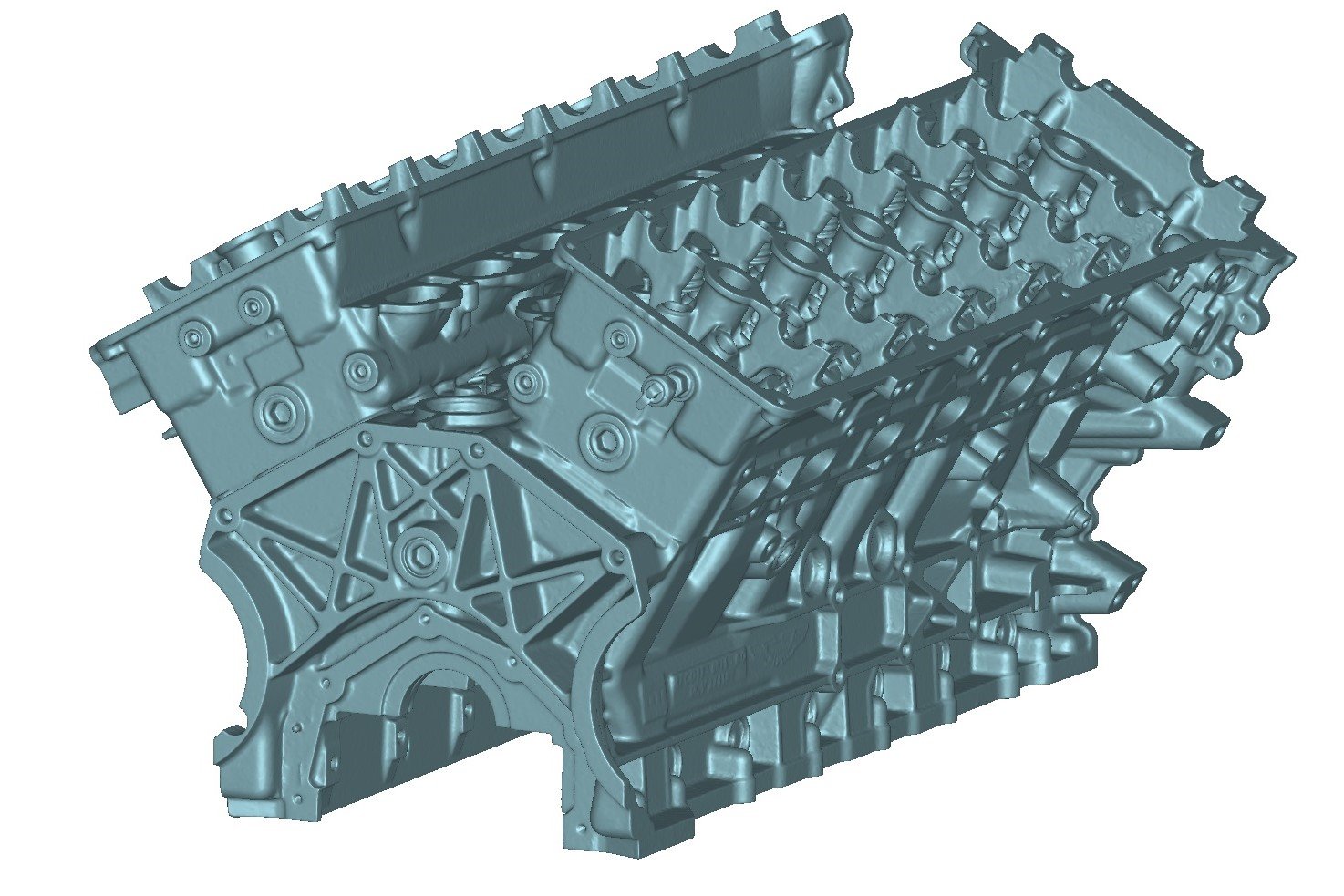
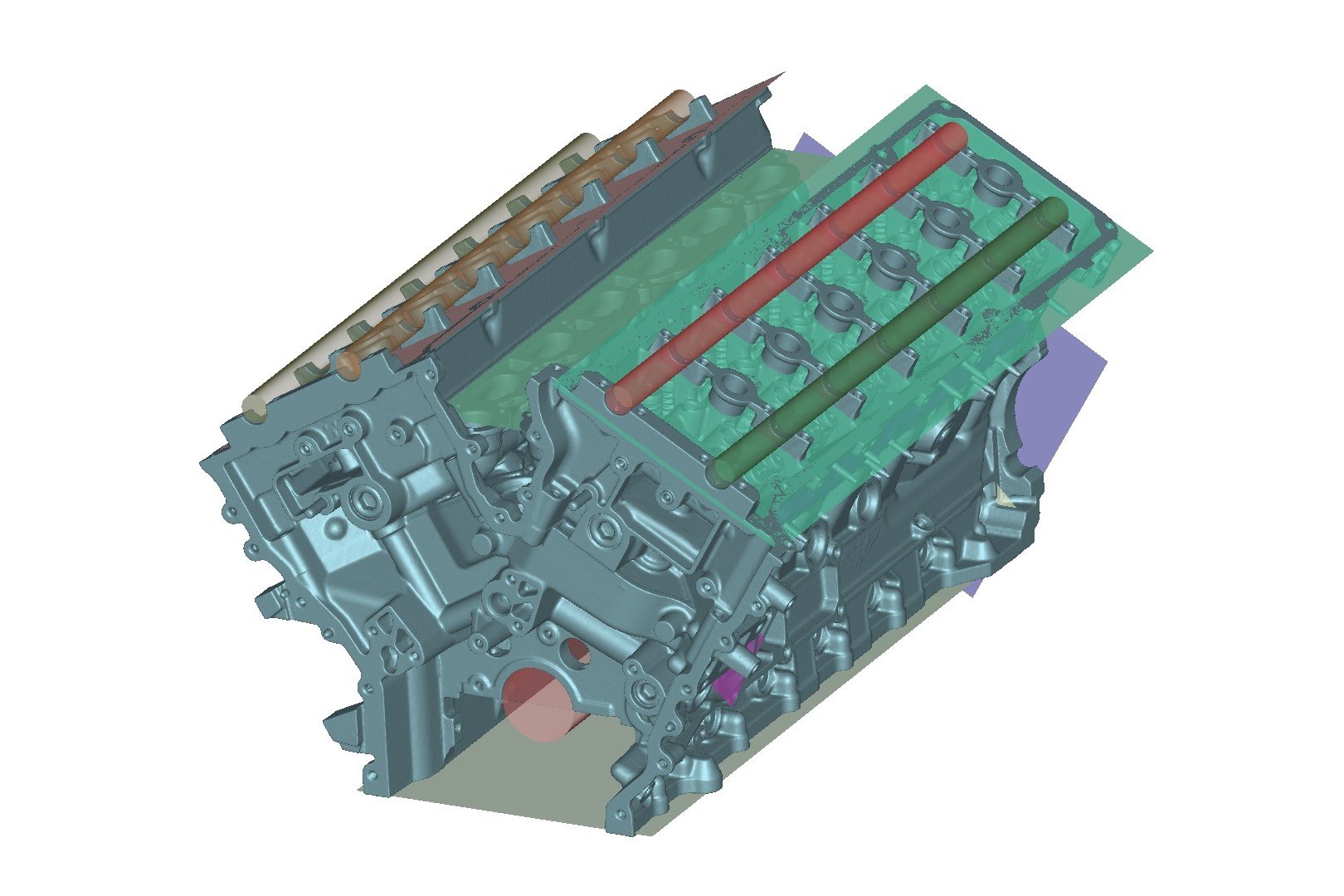
Please refer to the provided part images to evaluate scan quality, surface condition, and overall representation.
While every effort is made during scanning to ensure dimensional accuracy, critical dimensions should always be verified against the physical component where tight tolerances or precision machining operations are required.
Reviewing both the sample file and reference images will help ensure the scan meets your requirements prior to purchase.
Contributor: Scottify Designs
This listing provides a high-resolution 3D scan of a Ford Cosworth BDA cylinder head used in classic Ford and Cosworth twin-cam racing applications.
The Ford Cosworth BDA (Belt Drive A-Series) cylinder head is one of the most iconic twin-cam racing cylinder heads developed for Ford-based motorsport applications, widely used across Formula Atlantic, Escort rally cars, sports prototypes, and historic racing platforms. The scan preserves the distinctive external geometry and packaging characteristics of the BDA casting for engineering and fabrication purposes.
The scan captures detailed external geometry including intake runner entry shapes, exhaust port exits, water jacket outlets, cam carrier geometry, spark plug positioning, and major mounting interfaces, making it suitable for intake and exhaust development, packaging studies, custom fabrication, and motorsport CAD workflows.
Compatible with Ford Cosworth BDA-based development and engineering applications (please verify your specific casting variant and configuration for intended use).
Intake and exhaust manifold development
Historic motorsport restoration and fabrication
Reverse engineering for replacement or performance parts
Engine bay and drivetrain packaging studies
CAD modeling and CFD preparation
Motorsport visualization and simulation workflows
Fixture, jig, and tooling development
Ideal for CAD reference, motorsport engineering, reverse engineering, and fabrication workflows.
Scan is watertight; some areas may require cleanup or surface reconstruction depending on your intended workflow.
External geometry only; internal water jacket and internal port core geometry are not fully represented unless externally visible.
Fine-detail areas such as threaded holes, gasket surfaces, and sealing faces may require verification or refinement before manufacturing use.
This particular BDA cylinder head has had the combustion face machined lower than standard specification. Users should verify all critical dimensions, chamber volumes, and deck heights against known specifications before use in design, machining, or engine assembly applications.
We strongly recommend measuring the combustion face height and associated reference dimensions prior to relying on the scan for precision engineering work.
We encourage you to download the sample file to assess scan format, output quality, and compatibility with your preferred software before purchase. Different CAD and mesh-processing packages may interpret scan data differently, so verifying compatibility with your workflow is essential.
Please refer to the provided part images to evaluate scan quality, surface condition, and overall representation.
While every effort is made during scanning to ensure dimensional accuracy, critical dimensions should always be verified against the physical component where tight tolerances or precision machining operations are required.
Reviewing both the sample file and reference images will help ensure the scan meets your requirements prior to purchase.







![Yamaha R1 Throttle Bodies - 3D Scan (STL) [Item: SBU]](https://images.squarespace-cdn.com/content/v1/5aaee99b96e76f27dc94b28a/119399cc-ee73-4eb6-8a4a-3cd5cbc8668a/Yamaha+R1+throttle+bodies+1.png)