Contributor: Luke Hornung
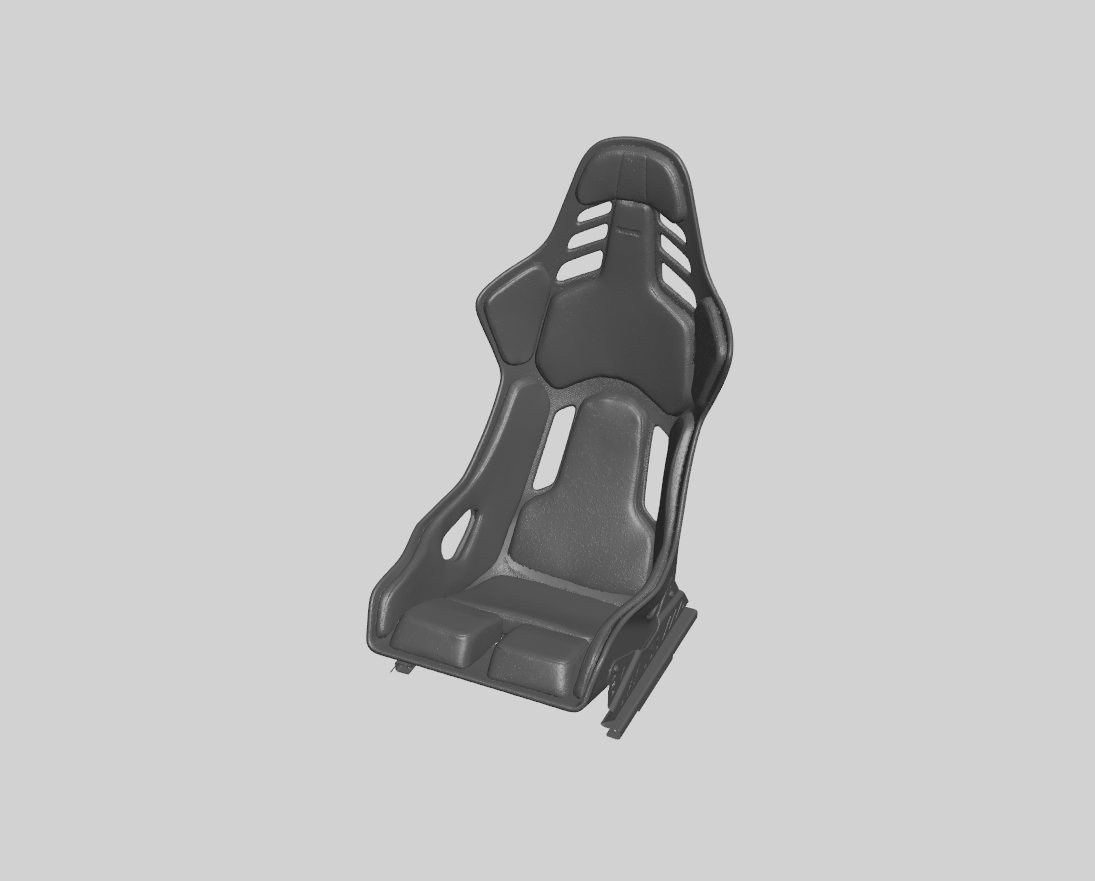
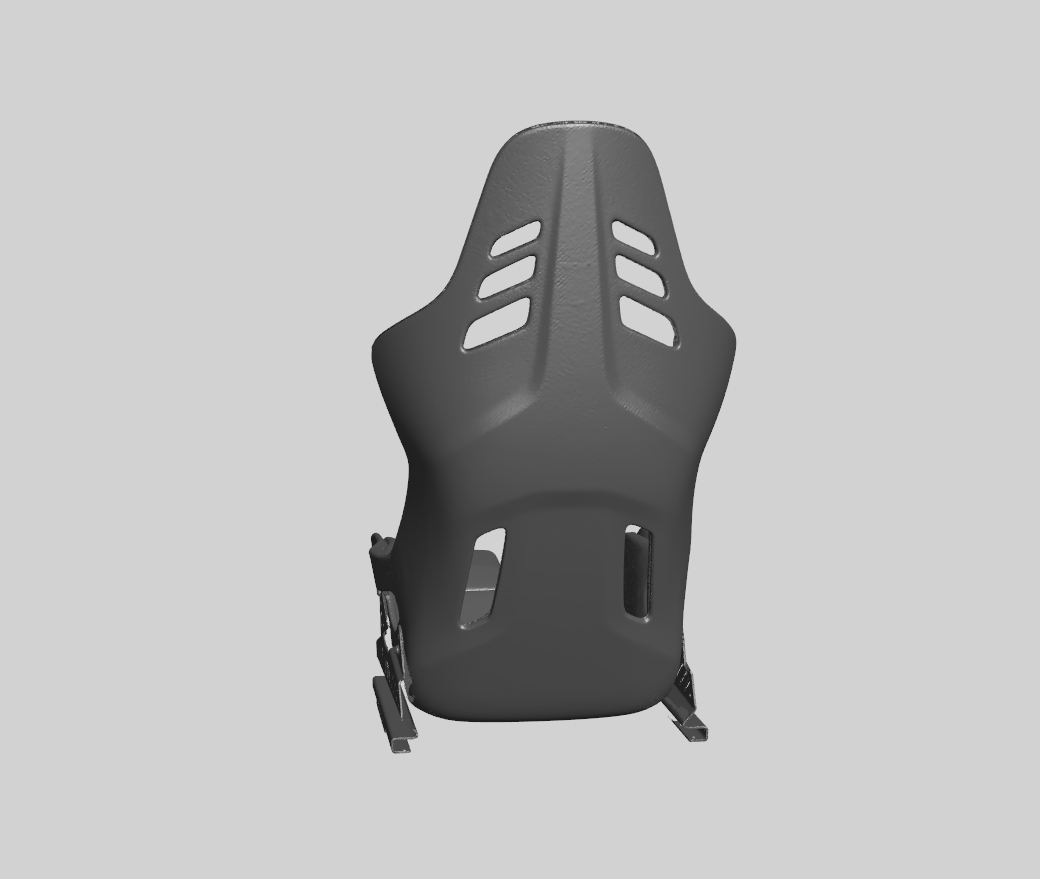
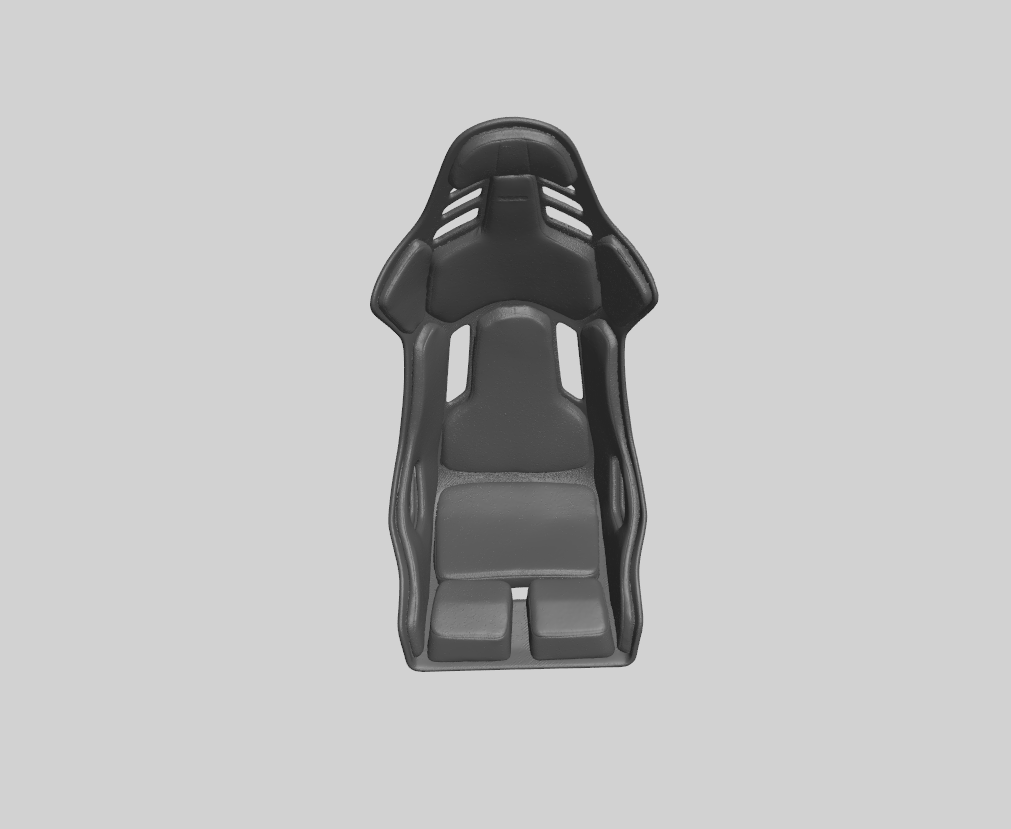
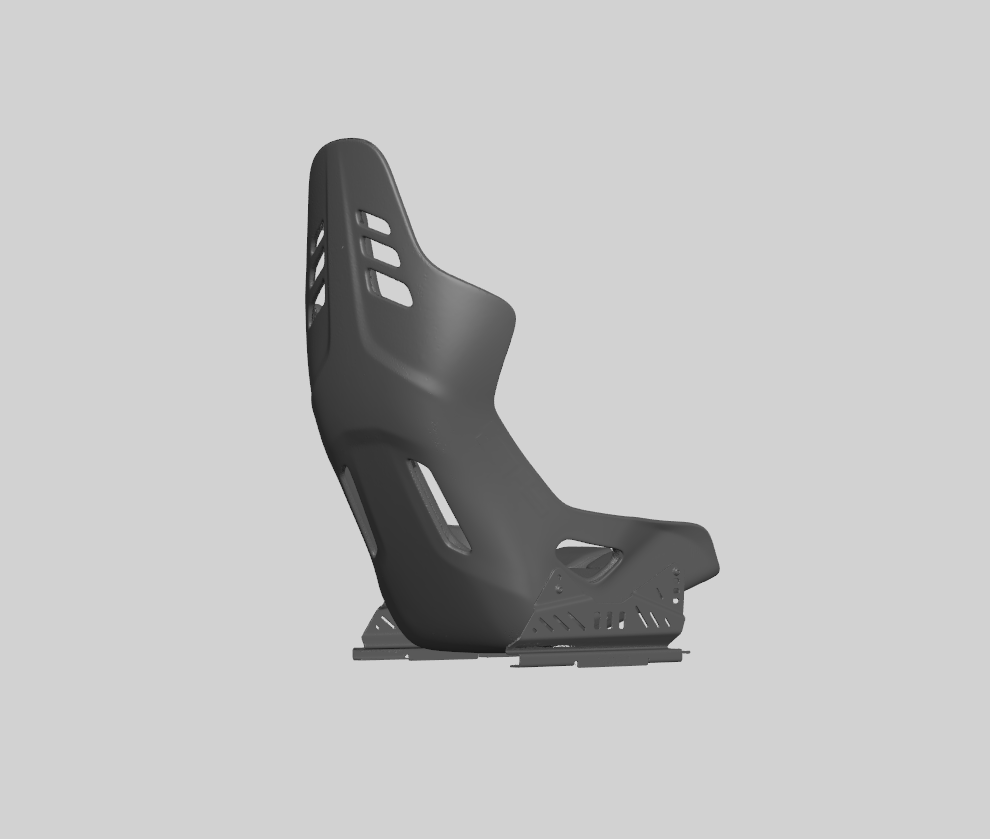
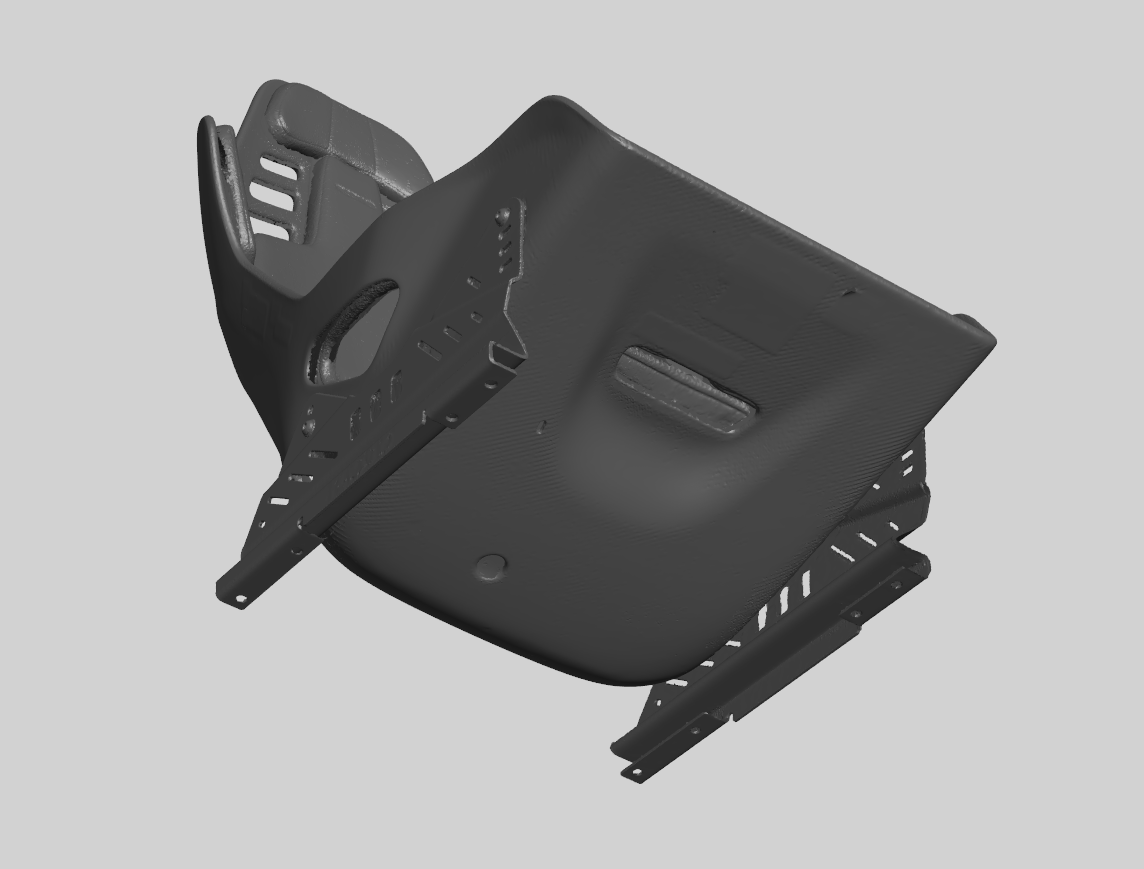
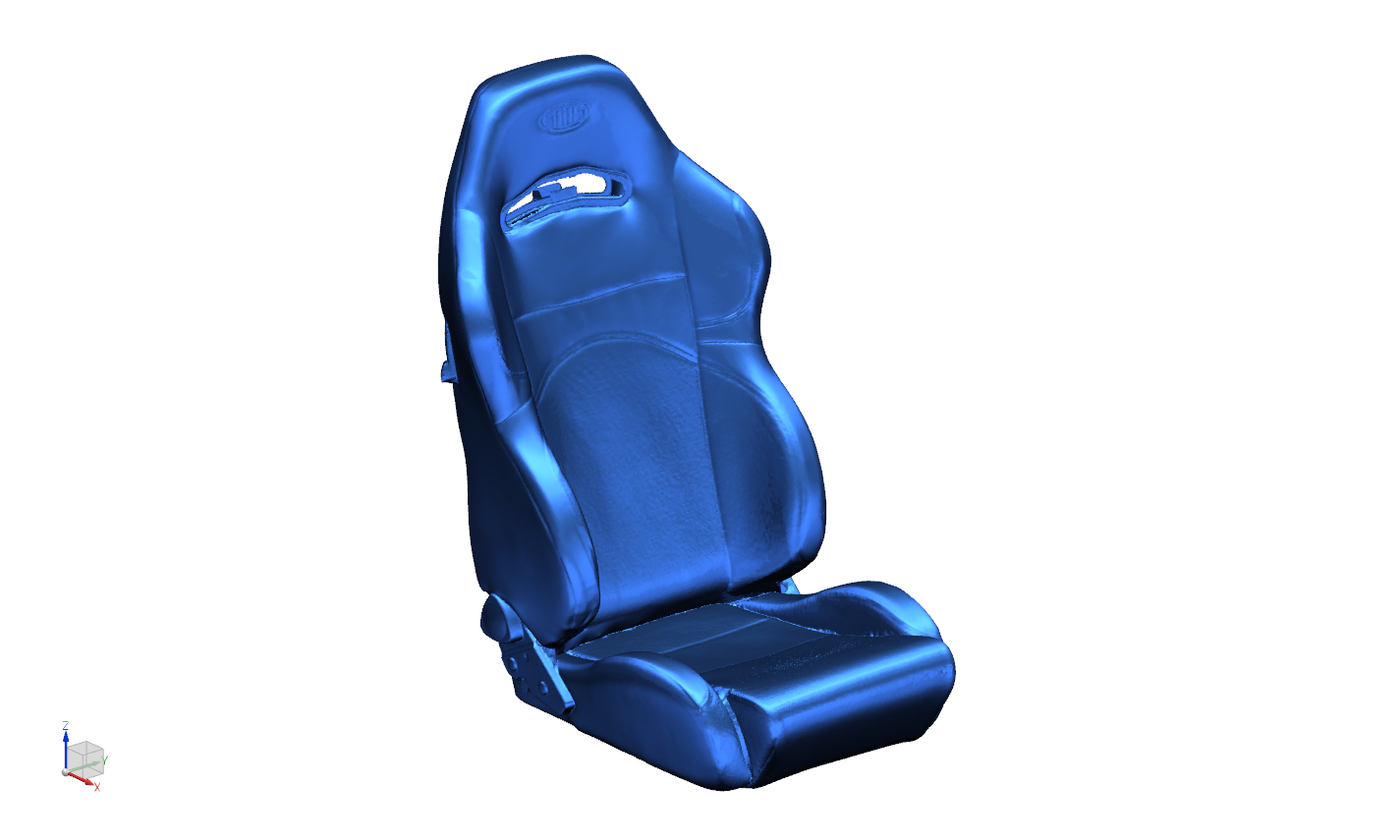
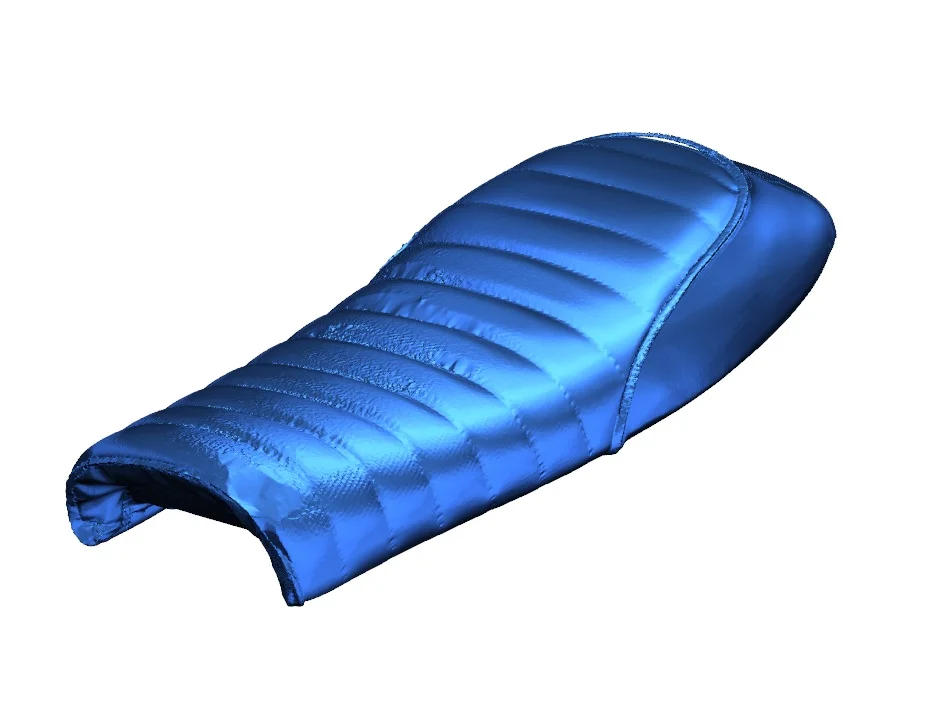
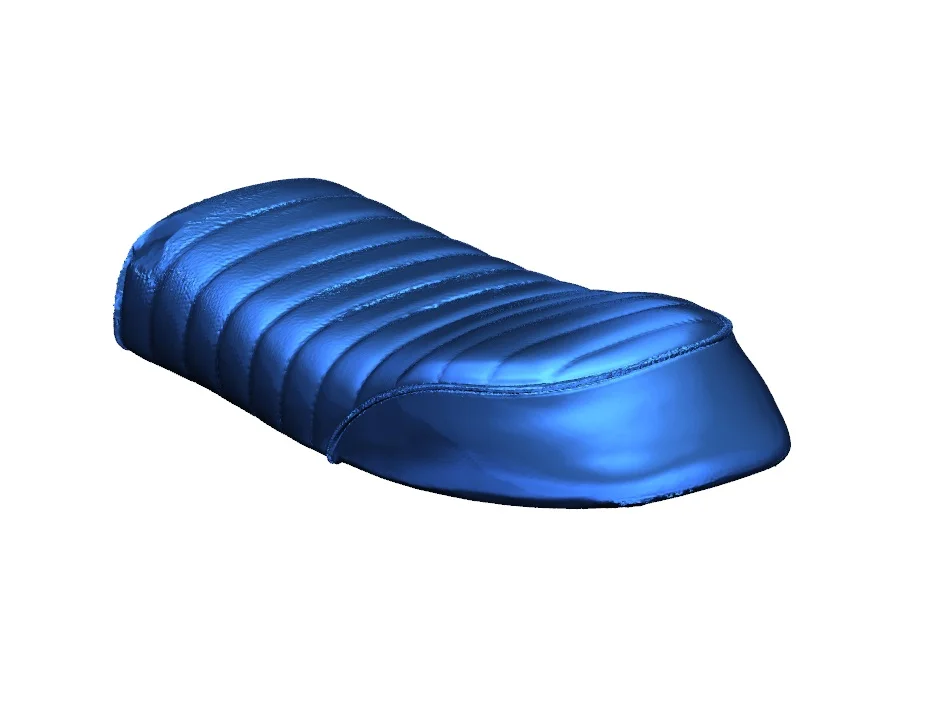
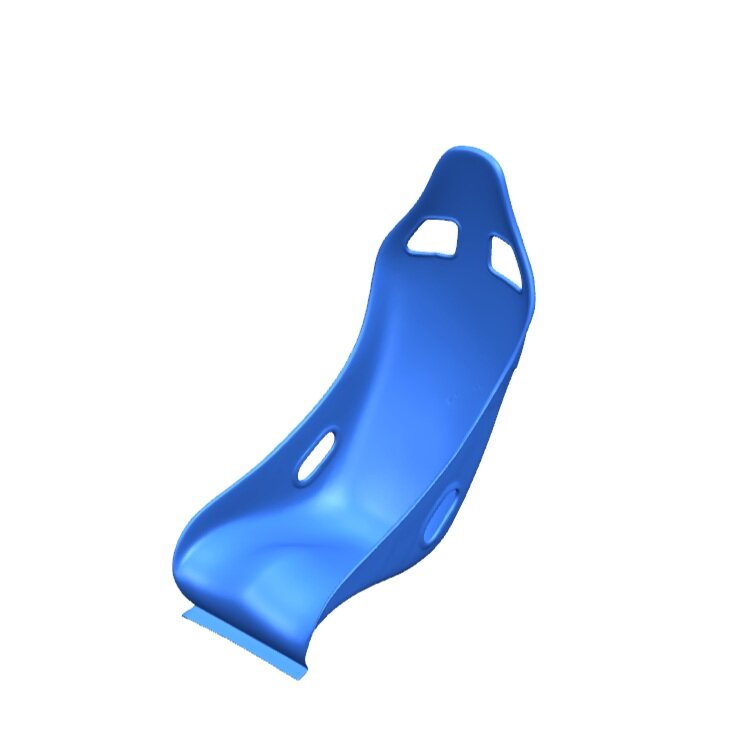
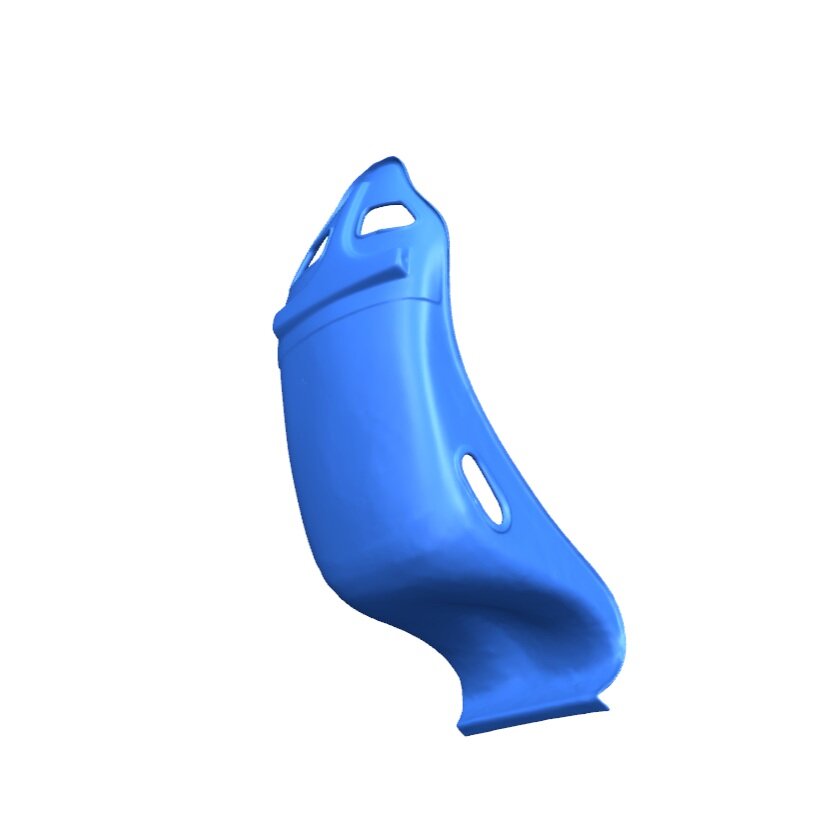
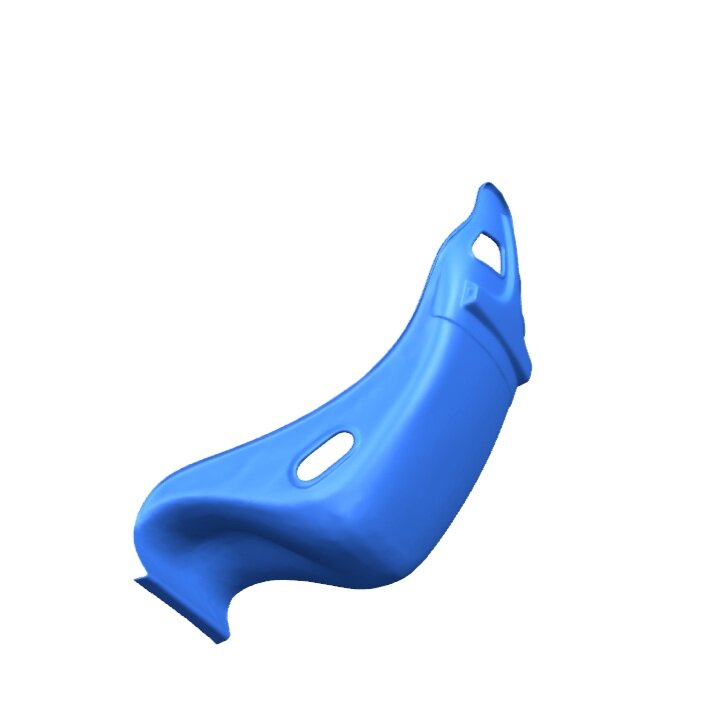
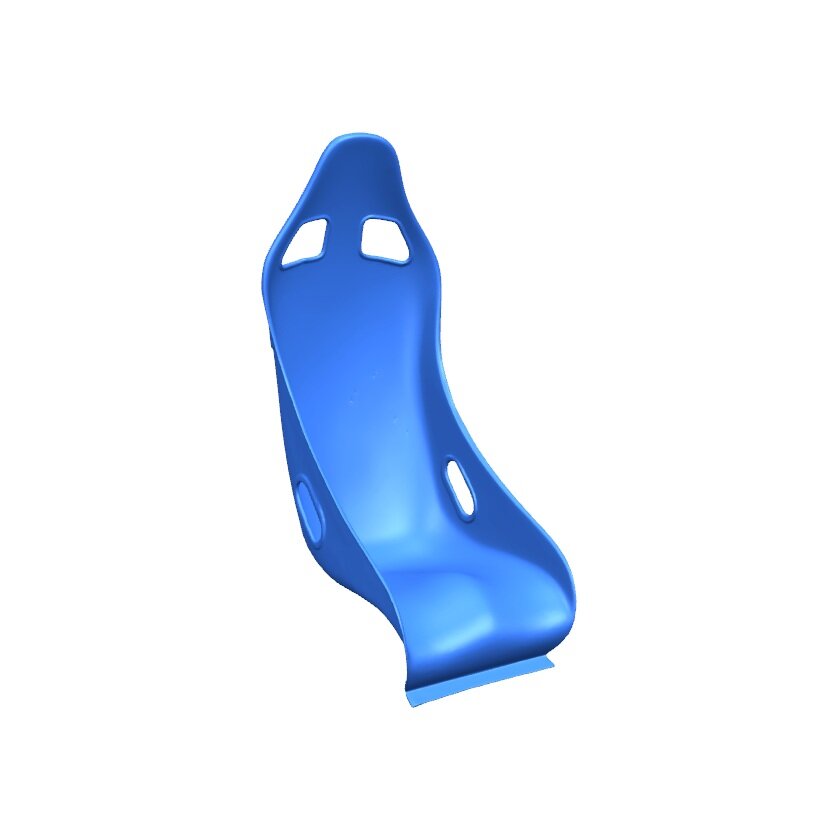
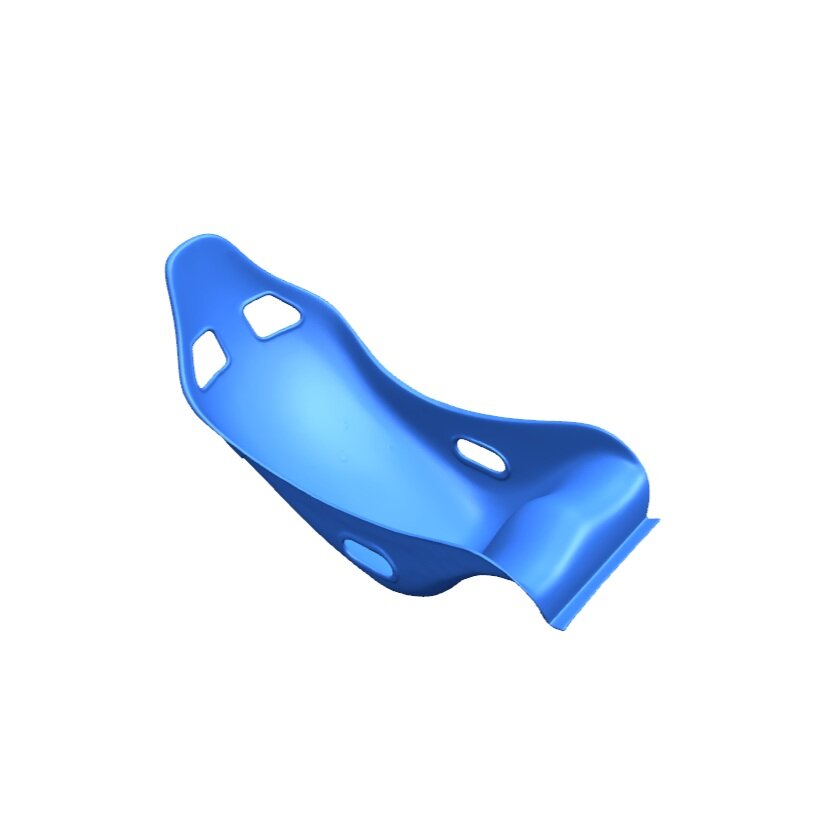
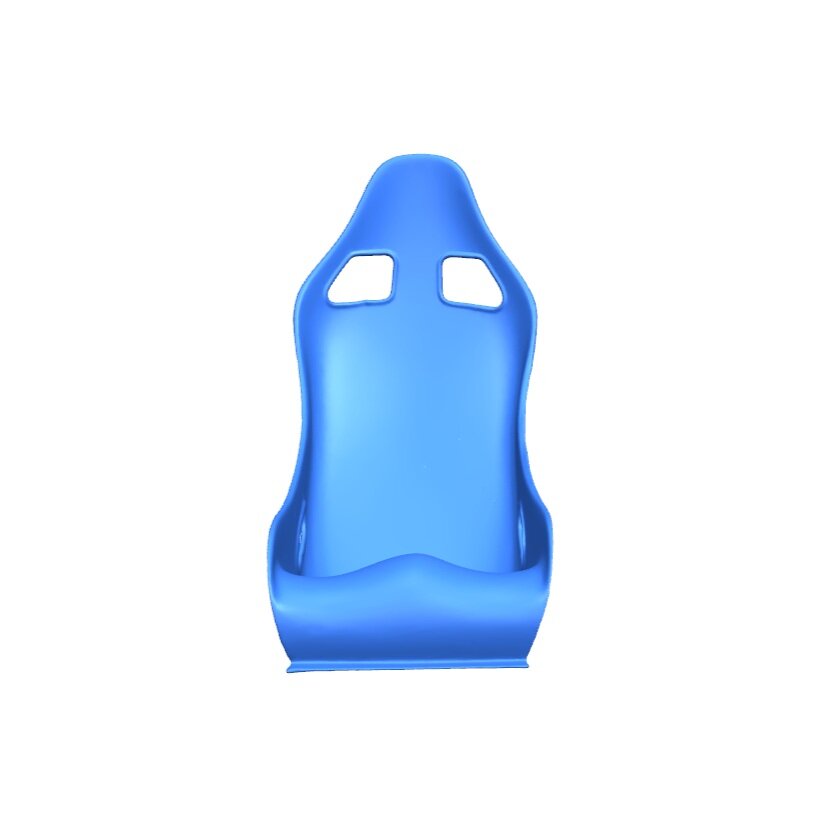
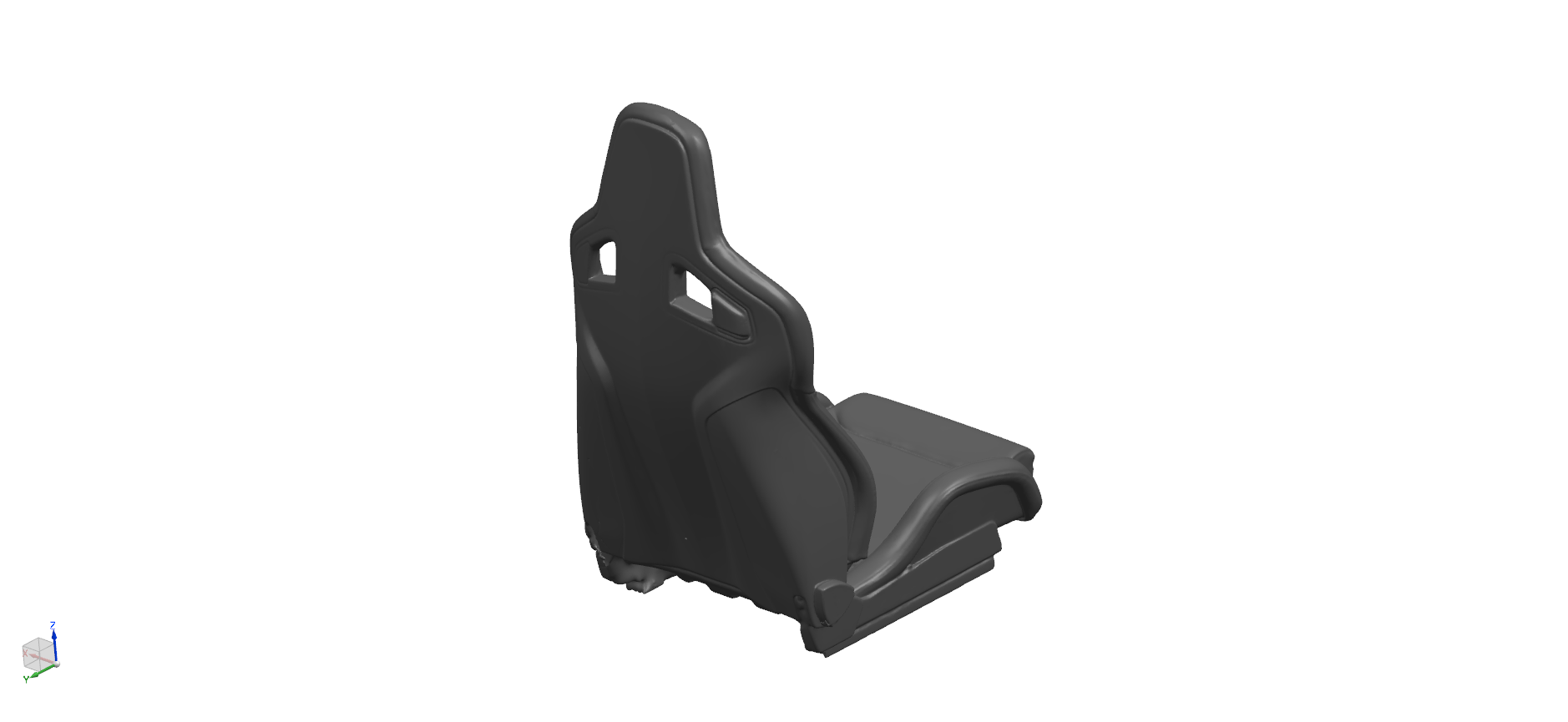
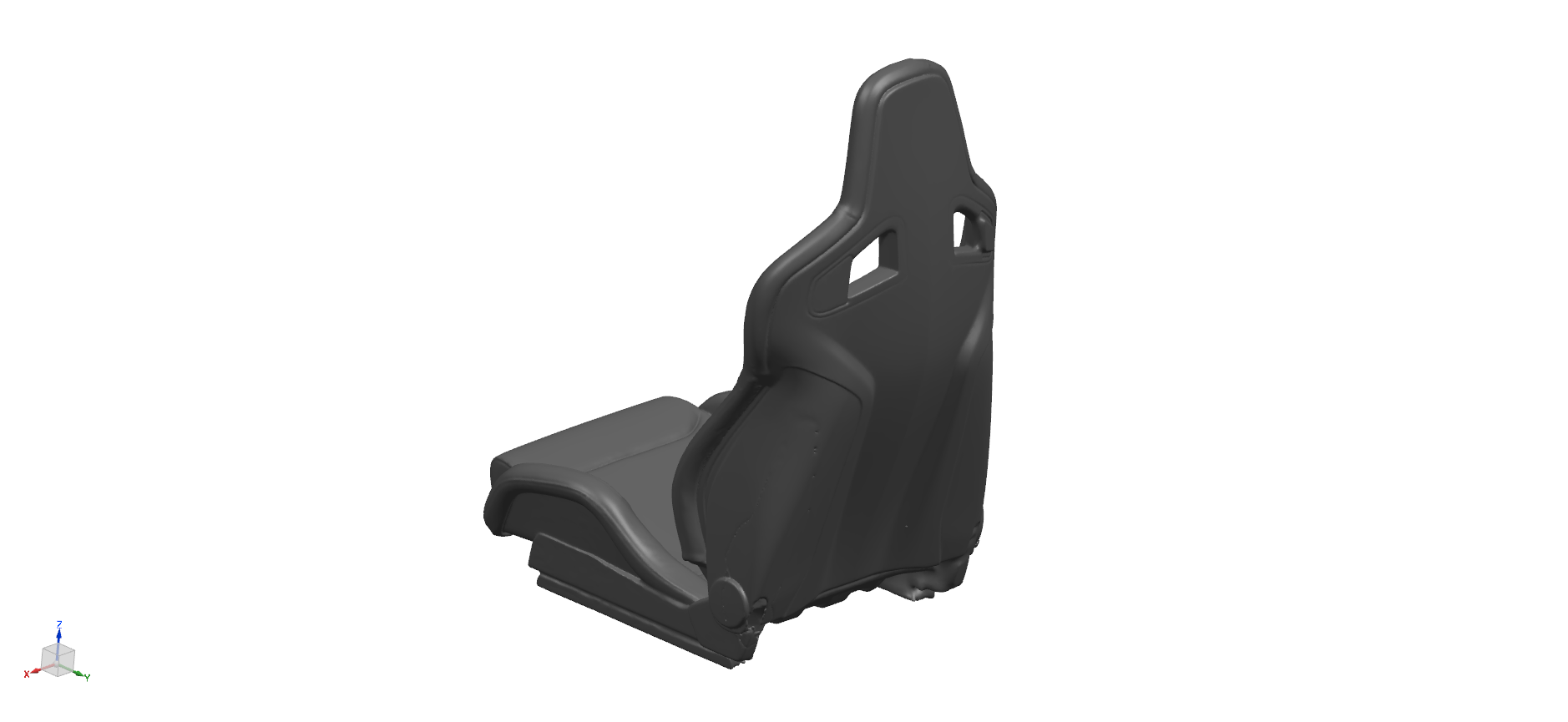
This listing provides a high-resolution 3D scan and reverse engineered CAD of a Cobra RS40 seat, commonly used in classic Mini applications across Austin, Morris, and Rover models from 1959–2000. The dataset captures both detailed scan data and clean CAD geometry, making it ideal for interior development, fitment validation, and design workflows.
The Cobra RS40 seat is inspired by the iconic Ford GT40 seat design, featuring a compact, low-profile form with pronounced bolstering suited to tight cabin environments and motorsport-oriented builds.
This bundle includes the Cobra RS40 seat in OBJ format for scan-based reference, along with professionally reverse engineered CAD files in STEP and IGES formats. The combination of raw scan data and production-ready CAD makes this dataset highly versatile for both visualization and engineering applications.
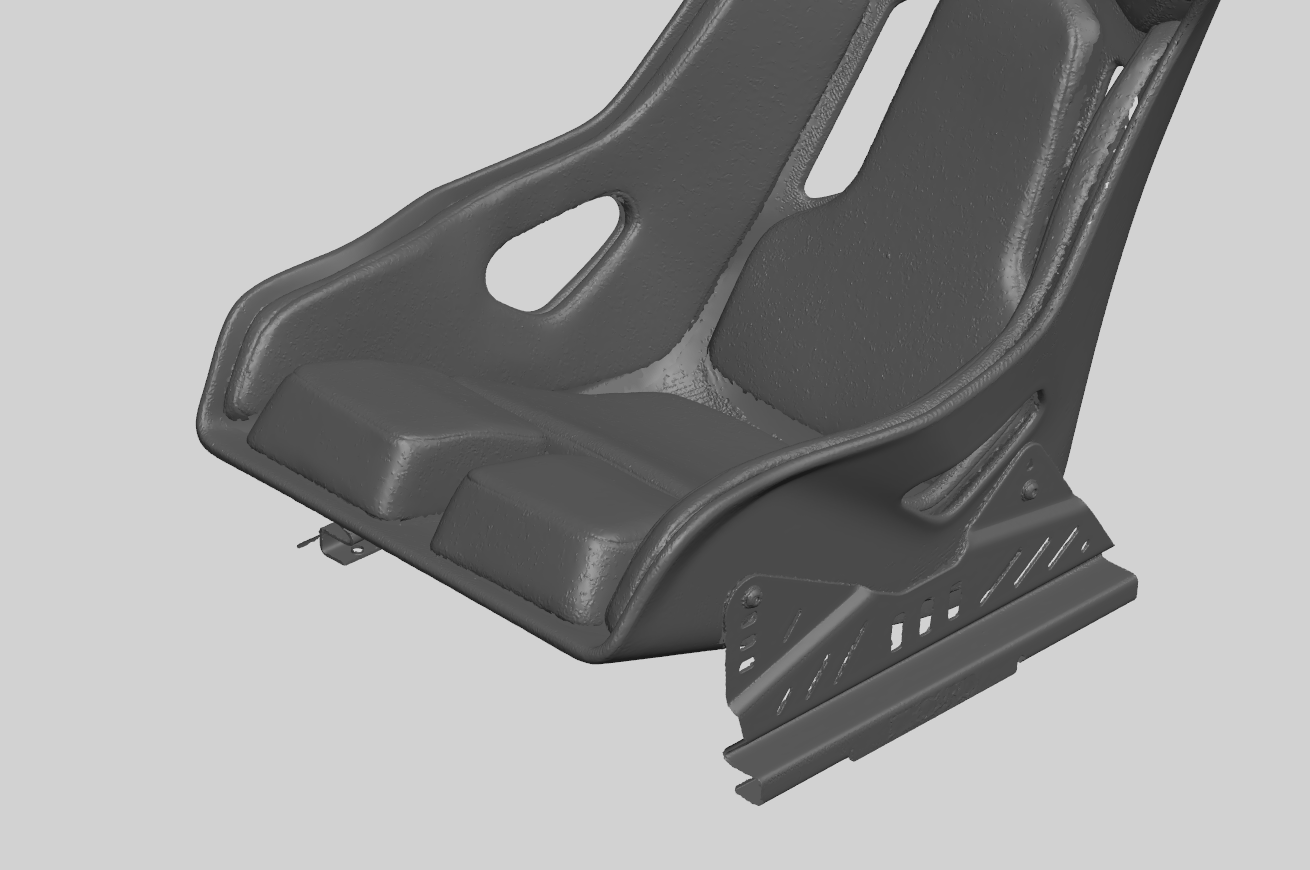
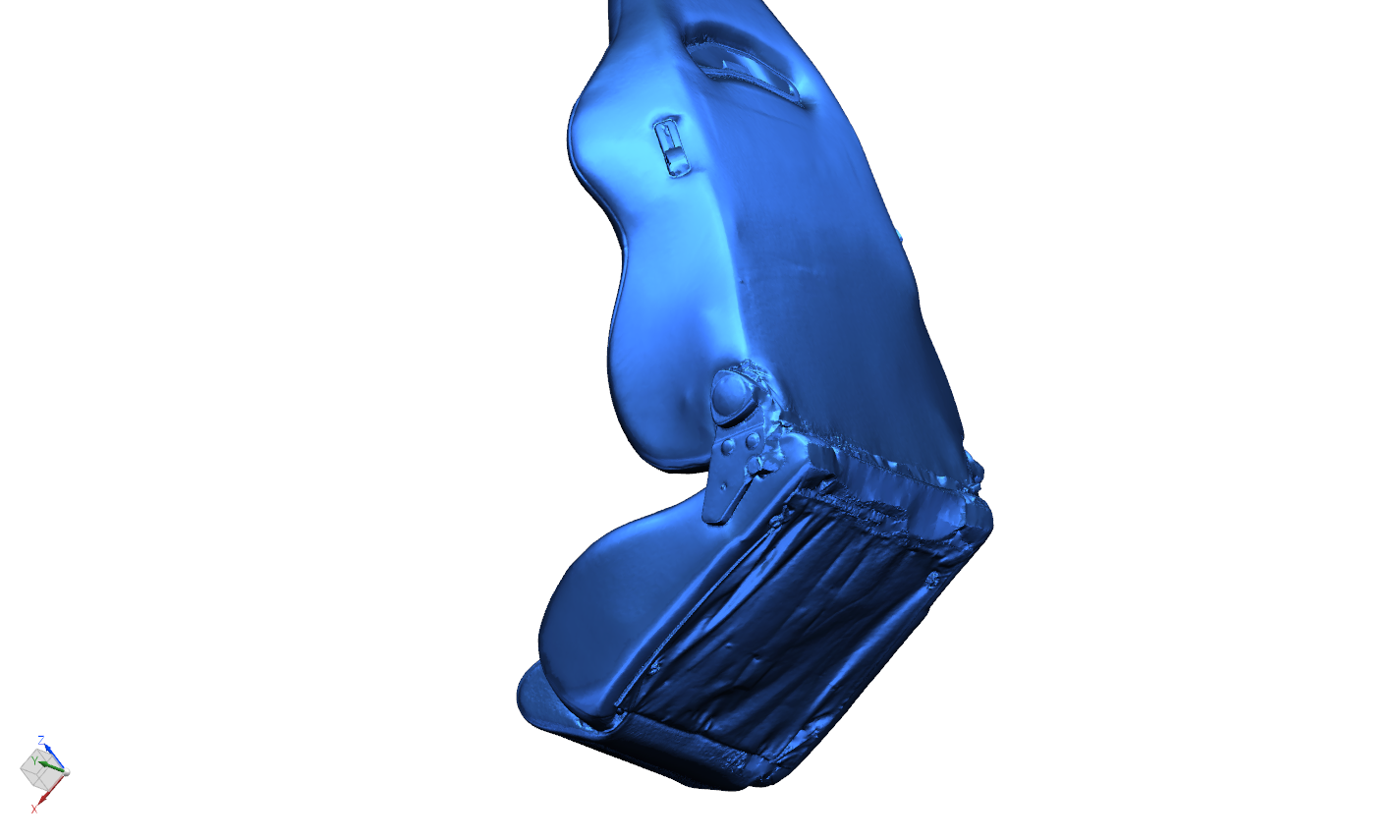
The scan captures detailed external geometry including seat contours, bolstering, and mounting interfaces, while the CAD files provide clean, usable surfaces suitable for integration into assemblies and design environments.
Scan & CAD Compatibility
Suitable for use with classic Mini platforms (Austin, Morris, Rover) from 1959–2000, as well as a wide range of vehicles including kit cars, track builds, and compact performance applications (please verify mounting and fitment for your specific setup).
Common Applications
Interior packaging and ergonomics studies
Seat mounting bracket and rail design
Custom fabrication and retrofit projects
Reverse engineering and product development
3D visualization and rendering
CAD integration for full vehicle assemblies
Common Vehicle Applications (Real-World Use)
Classic Mini (Austin/Morris/Rover) builds
GT40 replicas and continuation cars
Kit cars and custom builds (e.g. Lotus Seven–style vehicles)
Clubman and track-focused vehicles with limited cabin space
File Contents
File Suitability
Ideal for both scan-based reference and clean CAD workflows, supporting a wide range of design, engineering, and visualization use cases.
Important Notes
Scan and CAD are provided as a bundle; both formats are included in this listing.
Scan data is high quality but may still require minor cleanup depending on your workflow.
CAD files are reverse engineered and optimized for usability, but critical dimensions should be verified for precision applications.
Disclaimer:
We encourage you to download the sample file to assess scan and CAD formats, output quality, and compatibility with your preferred software. Different packages may interpret files differently, so verifying performance within your workflow is essential.
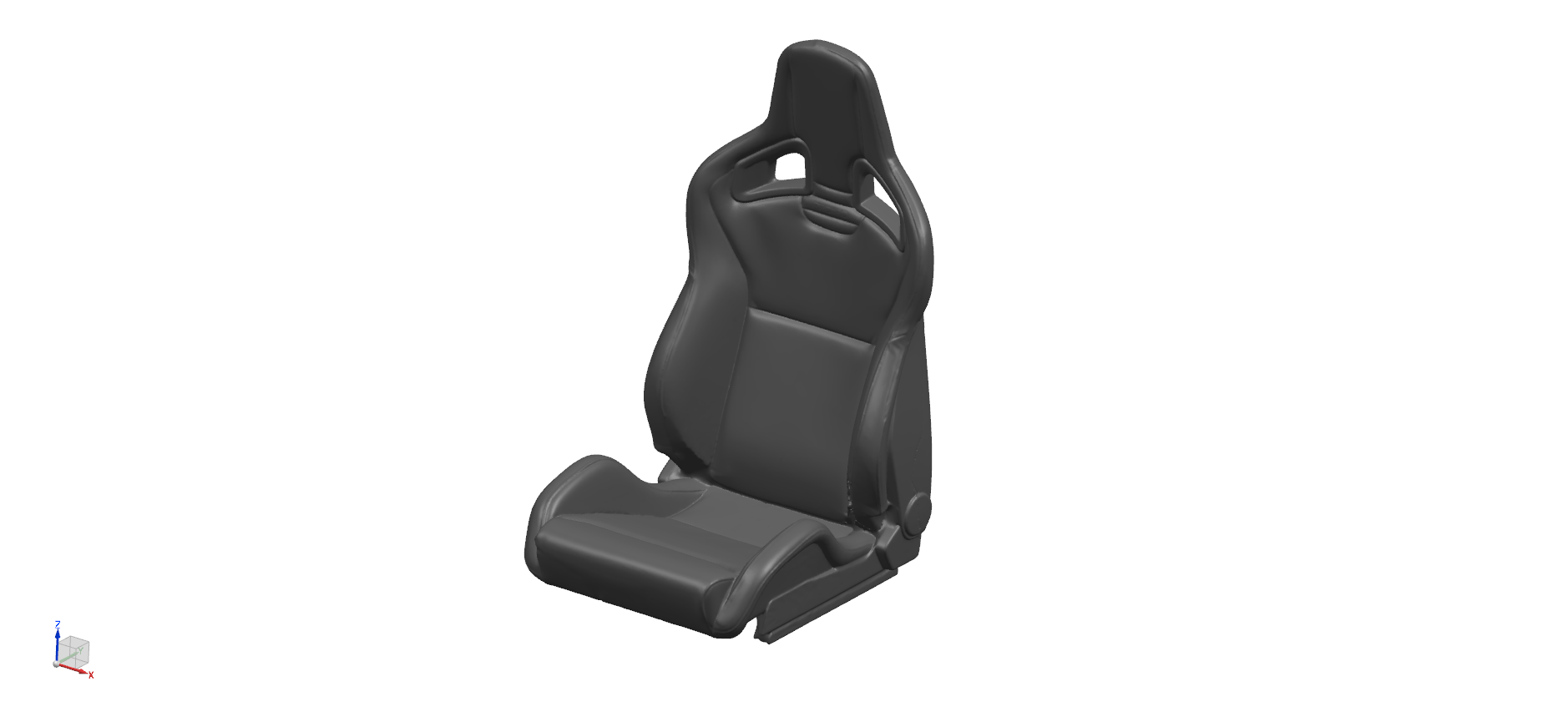
Please refer to the provided part images to evaluate file quality and representation.
While every effort is made to ensure accuracy, we advise verifying critical dimensions against the physical part if your application requires tight tolerances or precise referencing.
Reviewing both the sample file and images will help ensure the dataset meets your requirements before purchase.
Contributor: Luke Hornung
This listing provides a high-resolution 3D scan and reverse engineered CAD of a Cobra RS40 seat, commonly used in classic Mini applications across Austin, Morris, and Rover models from 1959–2000. The dataset captures both detailed scan data and clean CAD geometry, making it ideal for interior development, fitment validation, and design workflows.
The Cobra RS40 seat is inspired by the iconic Ford GT40 seat design, featuring a compact, low-profile form with pronounced bolstering suited to tight cabin environments and motorsport-oriented builds.
This bundle includes the Cobra RS40 seat in OBJ format for scan-based reference, along with professionally reverse engineered CAD files in STEP and IGES formats. The combination of raw scan data and production-ready CAD makes this dataset highly versatile for both visualization and engineering applications.
The scan captures detailed external geometry including seat contours, bolstering, and mounting interfaces, while the CAD files provide clean, usable surfaces suitable for integration into assemblies and design environments.
Scan & CAD Compatibility
Suitable for use with classic Mini platforms (Austin, Morris, Rover) from 1959–2000, as well as a wide range of vehicles including kit cars, track builds, and compact performance applications (please verify mounting and fitment for your specific setup).
Common Applications
Interior packaging and ergonomics studies
Seat mounting bracket and rail design
Custom fabrication and retrofit projects
Reverse engineering and product development
3D visualization and rendering
CAD integration for full vehicle assemblies
Common Vehicle Applications (Real-World Use)
Classic Mini (Austin/Morris/Rover) builds
GT40 replicas and continuation cars
Kit cars and custom builds (e.g. Lotus Seven–style vehicles)
Clubman and track-focused vehicles with limited cabin space
File Contents
File Suitability
Ideal for both scan-based reference and clean CAD workflows, supporting a wide range of design, engineering, and visualization use cases.
Important Notes
Scan and CAD are provided as a bundle; both formats are included in this listing.
Scan data is high quality but may still require minor cleanup depending on your workflow.
CAD files are reverse engineered and optimized for usability, but critical dimensions should be verified for precision applications.
Disclaimer:
We encourage you to download the sample file to assess scan and CAD formats, output quality, and compatibility with your preferred software. Different packages may interpret files differently, so verifying performance within your workflow is essential.
Please refer to the provided part images to evaluate file quality and representation.
While every effort is made to ensure accuracy, we advise verifying critical dimensions against the physical part if your application requires tight tolerances or precise referencing.
Reviewing both the sample file and images will help ensure the dataset meets your requirements before purchase.

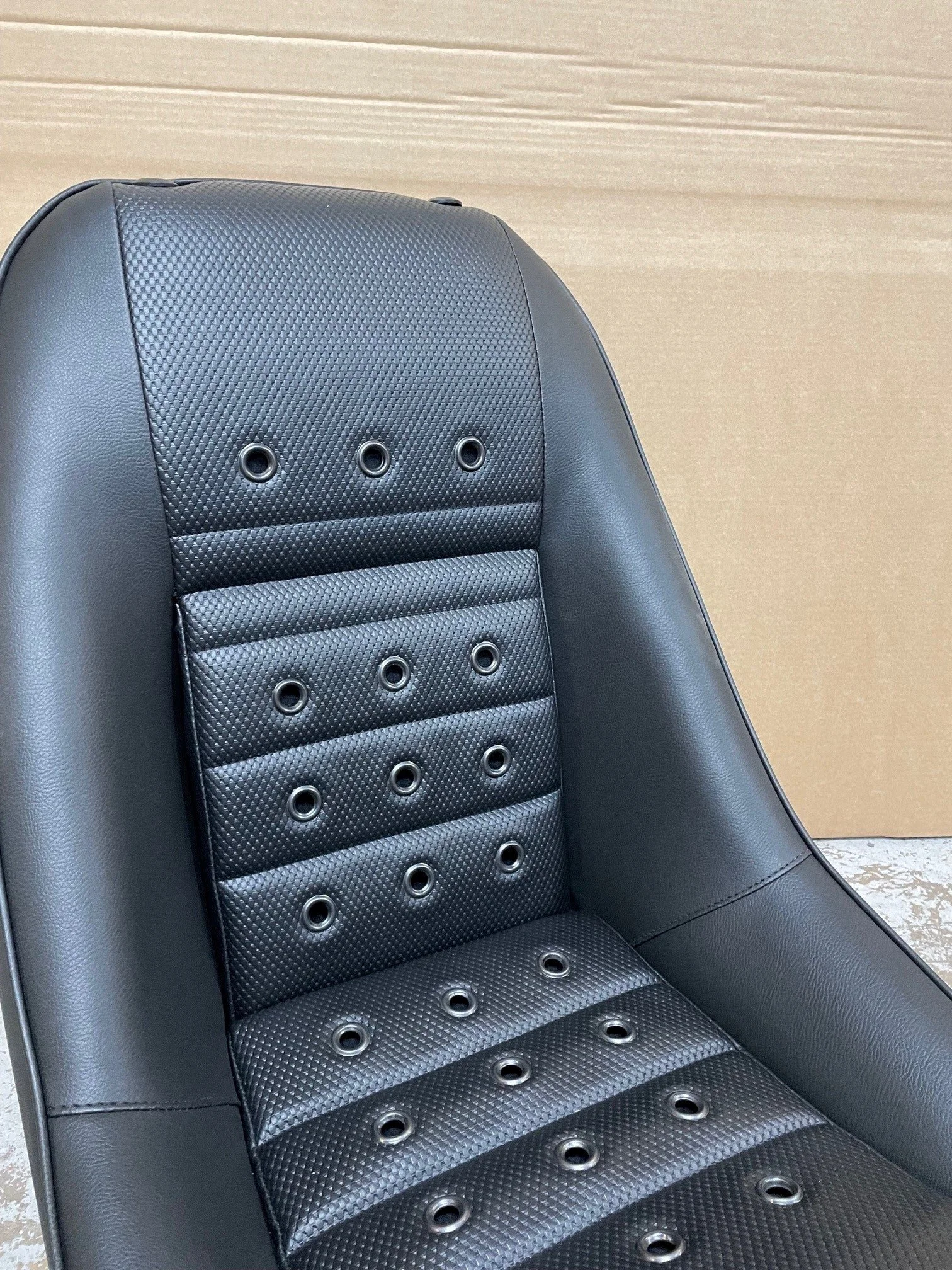 Image 1 of 9
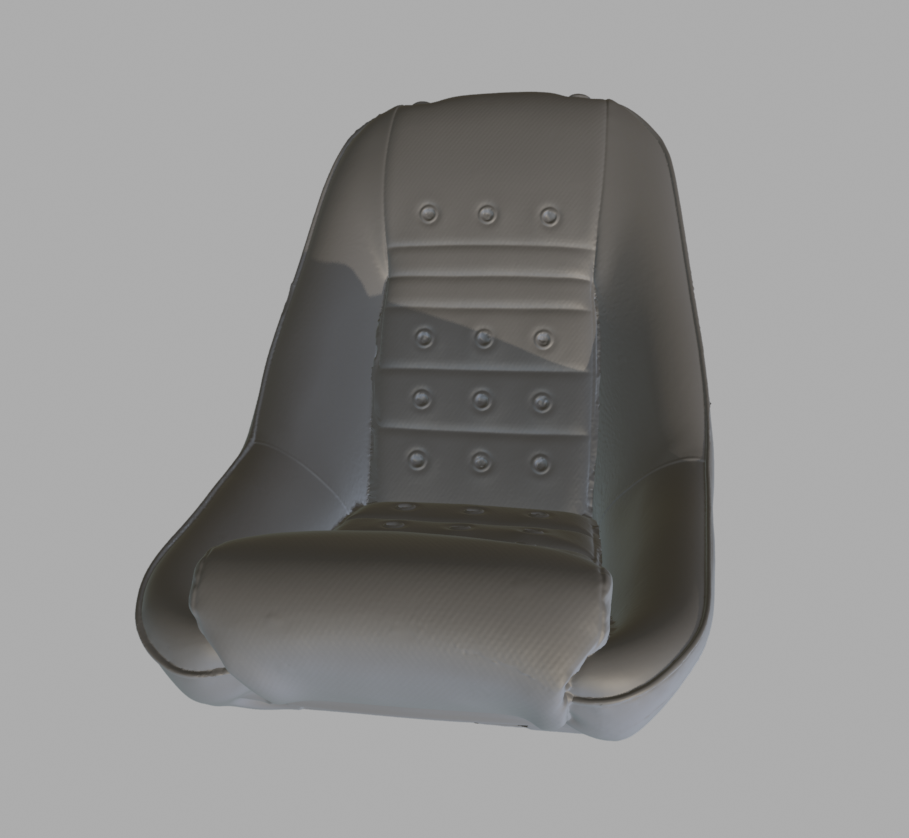 Image 2 of 9
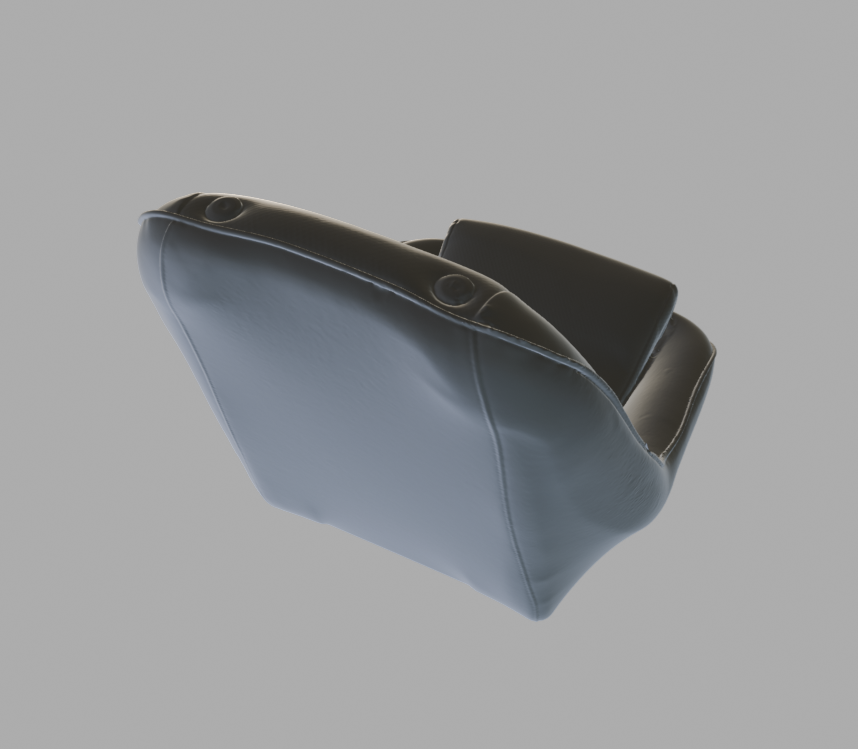 Image 3 of 9
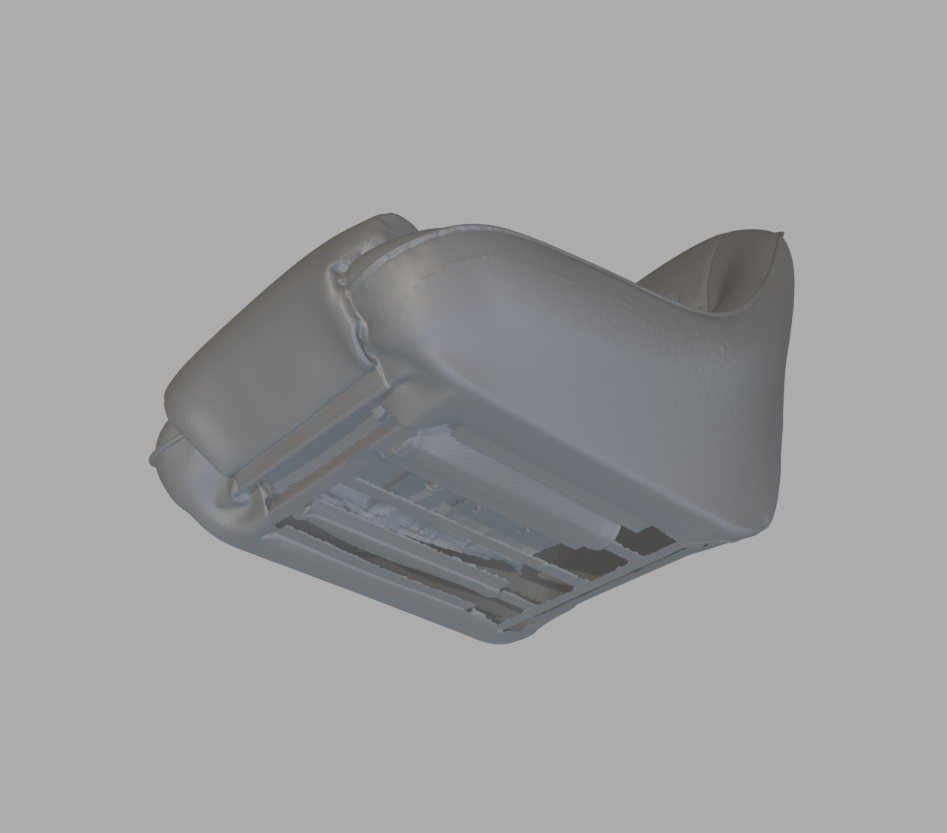 Image 4 of 9
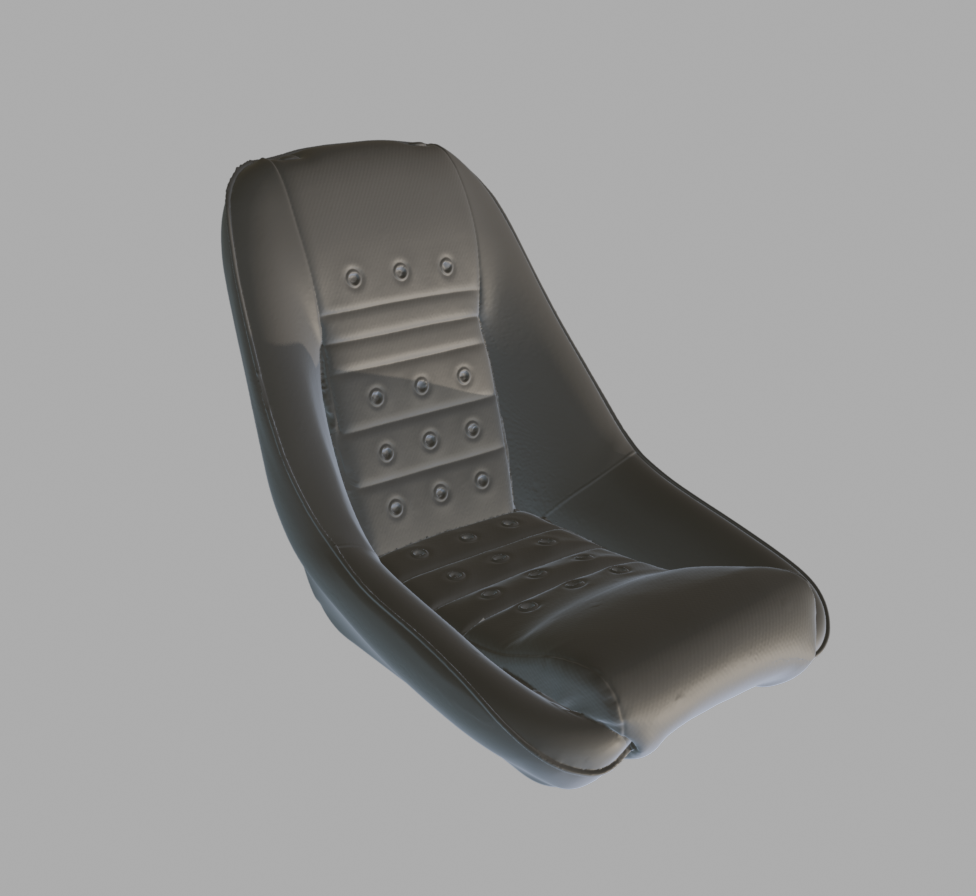 Image 5 of 9
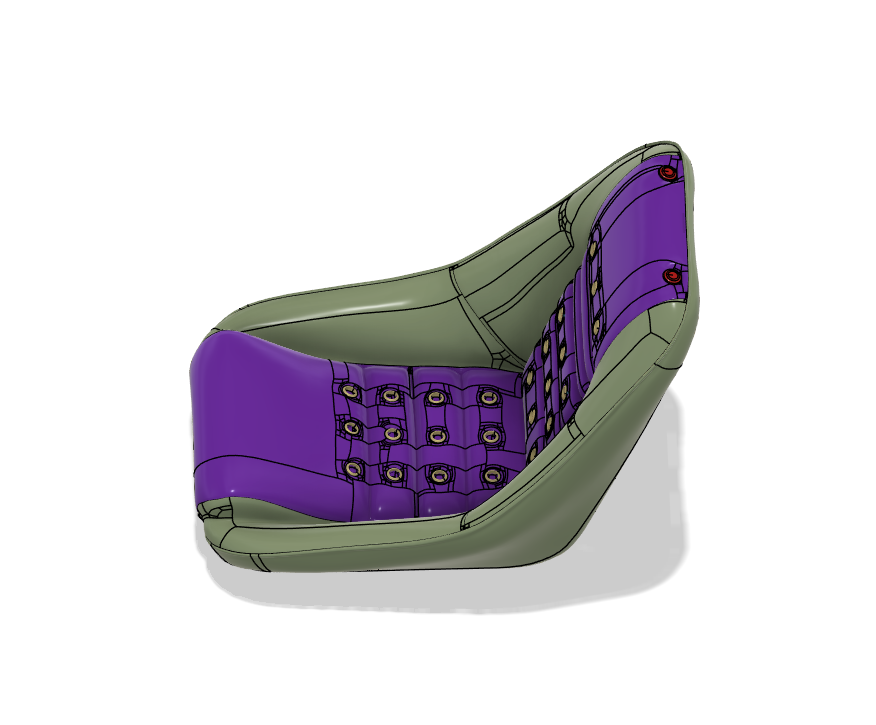 Image 6 of 9
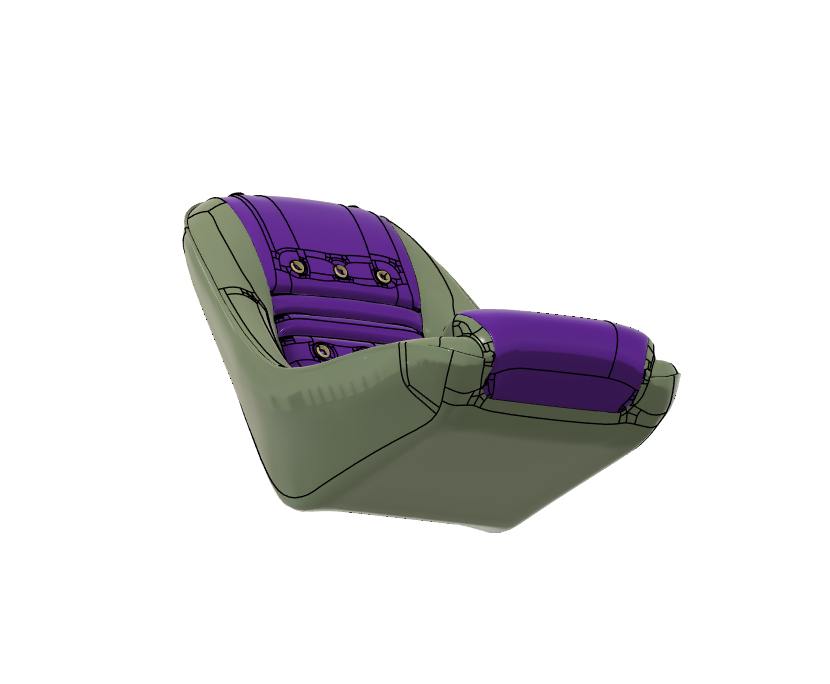 Image 7 of 9
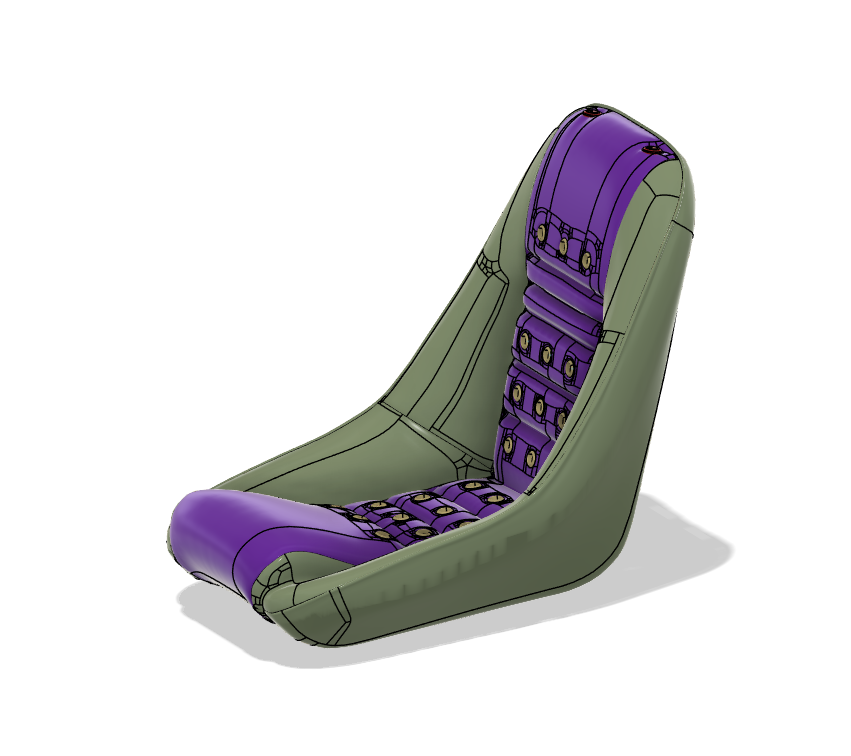 Image 8 of 9
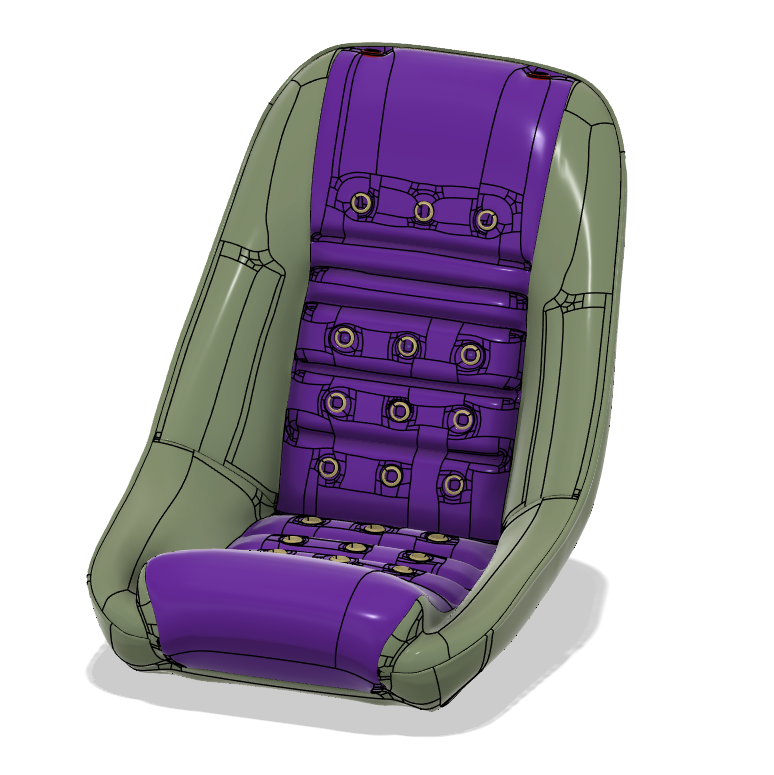 Image 9 of 9
![Recaro Podium CF + Mounts - 3D Scan (STL) [Item: RCA]](https://images.squarespace-cdn.com/content/v1/5aaee99b96e76f27dc94b28a/f66be1d6-b5b1-41b5-99e4-b417308a2347/Best_STL_Viewer_y79u2eBU4t.png)